Fuel Relief for Canadians: Carney Suspends Federal Gas Tax for Nearly Five Months
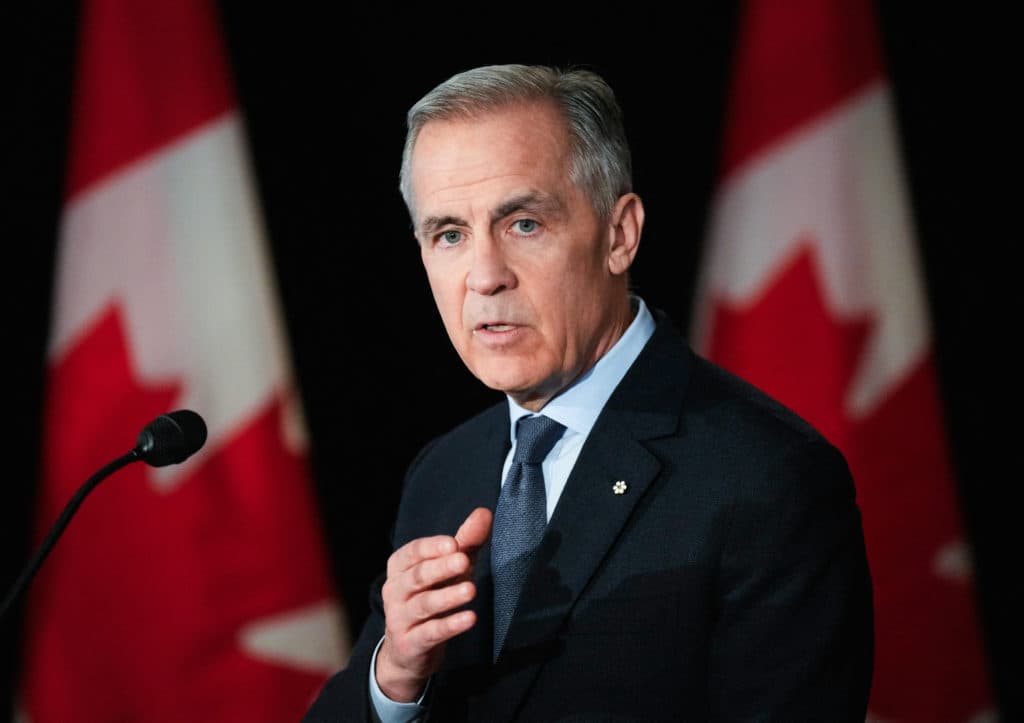
Prime Minister Mark Carney has announced a temporary suspension of Canada’s federal fuel excise tax from April to September 2026. The move is aimed at lowering gas prices and easing cost-of-living pressures for households and businesses nationwide.
Rochelle Silver
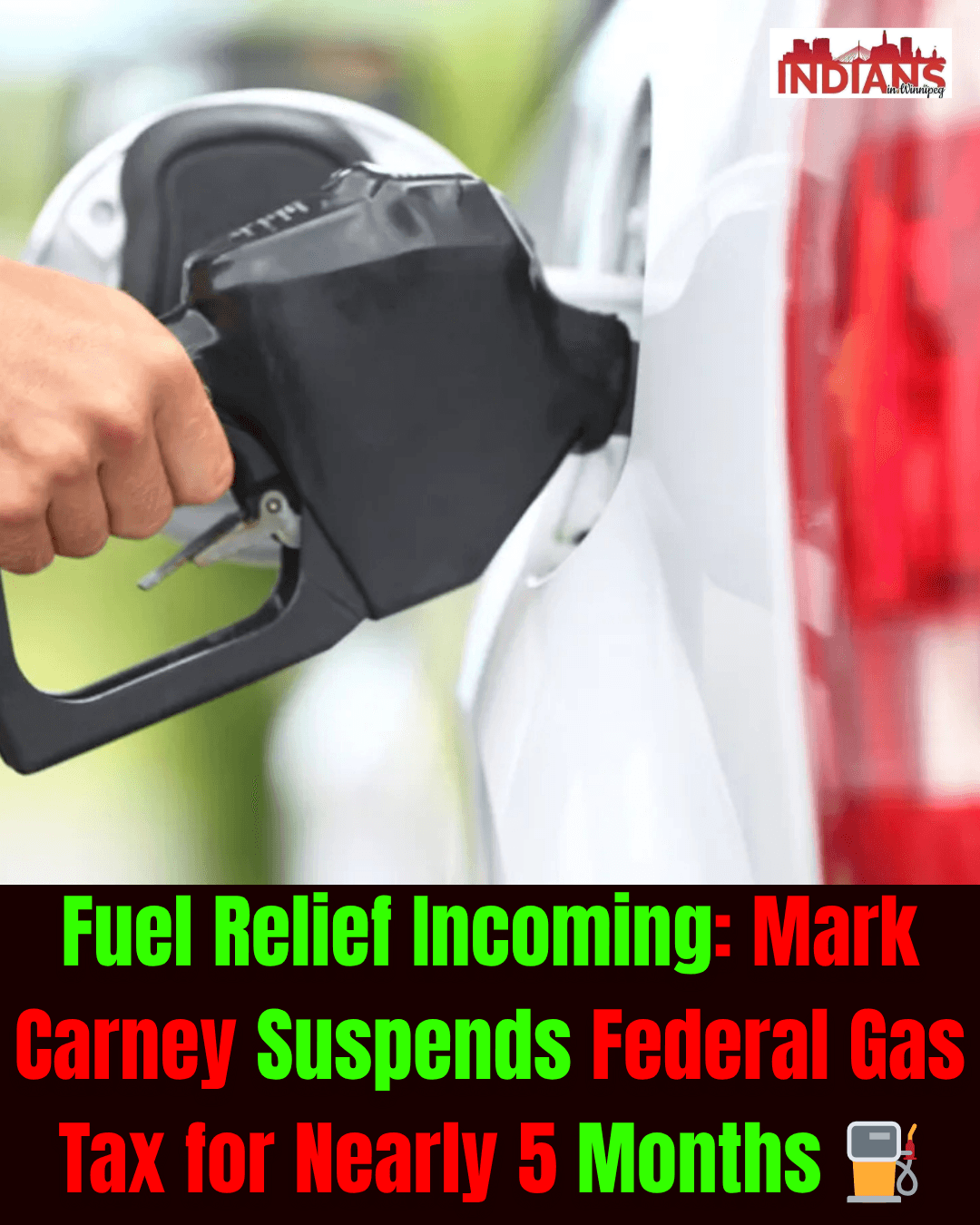
In a major move aimed at easing financial pressure on Canadians, Prime Minister Mark Carney has announced a temporary suspension of the federal fuel excise tax, offering relief at the gas pump for nearly five months.
The tax break is set to take effect on April 20, 2026, and will remain in place until September 7, 2026, covering the high-travel summer season through to Labour Day weekend. During this period, Canadians can expect gasoline prices to drop by approximately 10 cents per litre, while diesel prices may fall by around 4 cents per litre.
The federal fuel excise tax is a fixed levy applied to fuel across the country, and its temporary removal is expected to provide immediate, visible relief for drivers. For many households already dealing with rising costs in housing, groceries, and transportation, even a modest drop in fuel prices could make a meaningful difference.
The announcement comes at a time when global energy markets remain volatile, contributing to upward pressure on fuel prices. By suspending the tax, the federal government aims to cushion the impact of these fluctuations and improve affordability for everyday Canadians.
Beyond individual drivers, the move is also expected to benefit key sectors of the economy that rely heavily on fuel. Industries such as trucking, agriculture, construction, and delivery services could see reduced operating costs, which may in turn help stabilize prices for goods and services.
This decision is part of a broader strategy by the Carney government to address the ongoing cost-of-living challenges facing Canadians. With inflation and household expenses remaining top concerns, the temporary tax suspension signals a focus on short-term relief measures while longer-term economic policies continue to develop.
However, experts caution that while the tax break will lower base fuel costs, the actual savings at the pump may vary depending on regional factors. Provincial taxes, local pricing strategies, and fluctuations in crude oil prices could all influence the final price consumers pay.
There are also questions about how much of the tax savings will be passed on directly to consumers. Market competition among fuel retailers will play a key role in determining whether Canadians see the full benefit.
Despite these uncertainties, the announcement has already sparked widespread discussion across the country. For many, it represents a welcome step toward easing daily expenses, while others view it as a temporary fix that does not address deeper structural issues affecting affordability.
As the summer months approach, Canadians will be watching closely to see how fuel prices respond—and whether this measure delivers the relief it promises.