Manitoba Introduces Hot Water Requirement at Large Construction Sites in New Workplace Safety Update
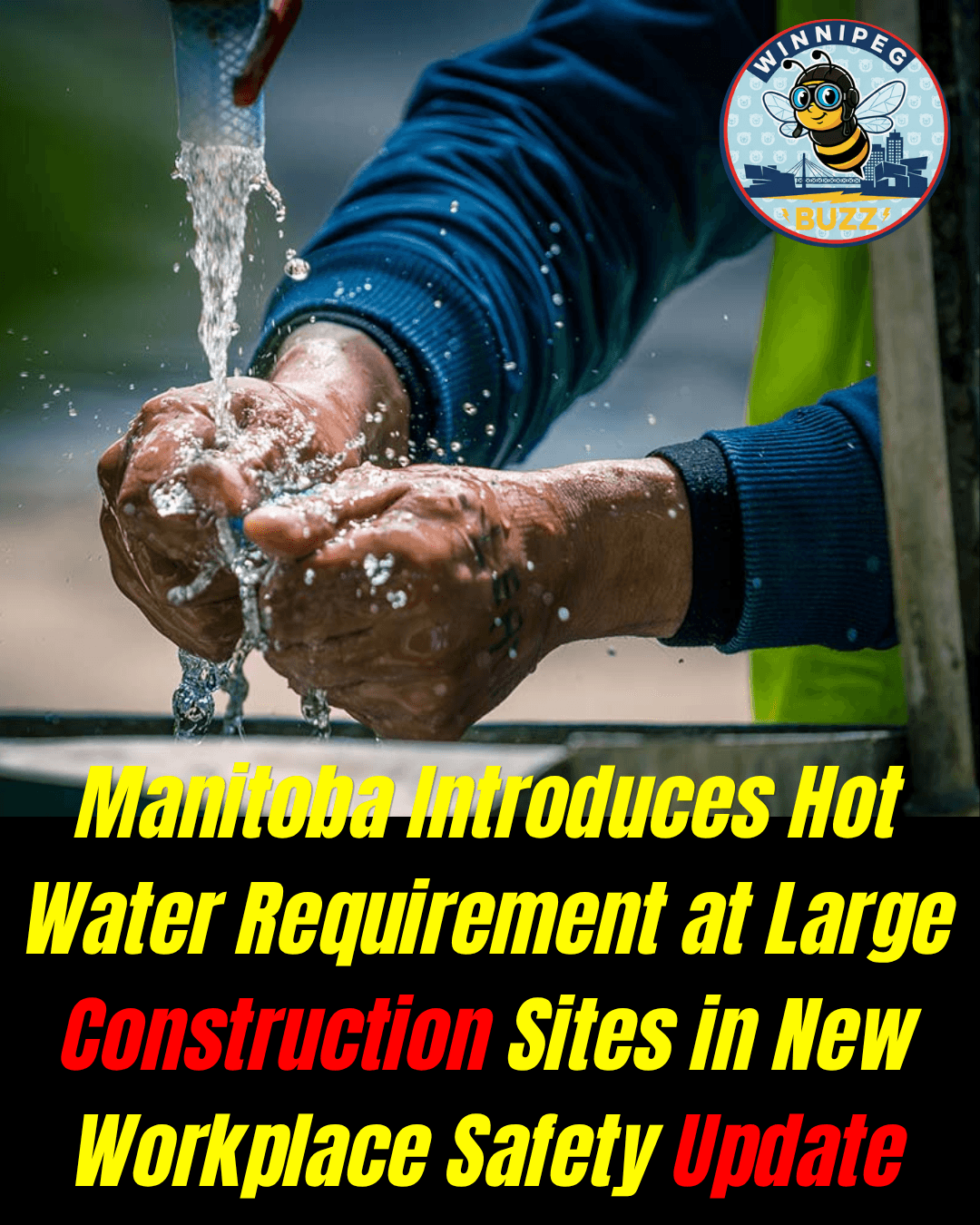
Manitoba is introducing new workplace safety rules requiring hot water for handwashing at large construction sites beginning April 1, 2027.
Rochelle Silver
The province of Manitoba is set to introduce a significant update to workplace safety standards in the construction industry, requiring large construction sites to provide hot water for handwashing facilities.
The new regulation, announced following a comprehensive review of Manitoba’s Workplace Safety and Health framework, is aimed at improving hygiene conditions and ensuring safer working environments for construction workers across the province.
🧱 What the new rule includes
Under the updated requirements, construction sites will be obligated to provide hot running water for handwashing if they meet any of the following criteria:
- Construction projects exceeding 600 square metres in size
- Buildings that are more than three storeys high
- Sites employing 25 or more workers
The rule will apply to both single-employer and multi-employer worksites, including those managed by a prime contractor. The goal is to ensure consistent hygiene standards across all major construction projects from the moment work begins.
🗓️ When it takes effect
The new regulation will come into force on April 1, 2027, giving construction companies, contractors, and developers nearly a year to prepare for compliance. This transition period is intended to allow time for infrastructure planning, budgeting, and installation of proper handwashing systems at job sites.
💬 Why the change is being introduced
According to provincial officials, the decision follows a multi-year review of workplace safety laws involving input from industry stakeholders, employers, and labour representatives.
The update is being positioned as a “common-sense” improvement to basic hygiene standards on construction sites, particularly for large-scale projects where hundreds of workers may be present daily.
Advocates argue that access to hot water is not just a convenience but an important health measure, helping improve sanitation and reduce the spread of germs in high-traffic work environments.
⚠️ Industry response and concerns
While many workers and labour advocates have welcomed the change as a long-overdue improvement, some construction industry representatives have expressed concerns about potential cost increases and logistical challenges.
Smaller contractors and developers in particular may need to invest in upgraded water systems, temporary heating solutions, or additional site infrastructure to meet the new requirement.
Despite these concerns, many stakeholders agree that the rule reflects evolving expectations around workplace health and safety standards.
🏗️ Broader impact
This policy places Manitoba among jurisdictions strengthening basic hygiene regulations in construction environments. It also reflects a broader post-pandemic shift toward improved sanitation practices across industries where workers operate in shared, high-density conditions.
For workers, the change is expected to improve day-to-day conditions on job sites. For employers, it represents another step in aligning construction practices with modern safety expectations.
As the 2027 implementation date approaches, companies across the province are expected to begin adjusting project designs and site planning strategies to ensure compliance.