Winnipeg Homelessness Crisis Deepens: 8,248 Unhoused as System Faces Rising Pressure in 2026
New data shows Winnipeg’s homelessness has surged to 8,248 people, including over 4,400 experiencing chronic homelessness, as shelters and housing systems struggle under increasing strain.
Rochelle Silver
Winnipeg is facing a rapidly deepening homelessness crisis, according to newly released data from End Homelessness Winnipeg, showing that the city’s unhoused population has now reached 8,248 people as of March 2026.
The latest figures highlight not only a growing number of individuals without stable housing, but also a sharp rise in chronic homelessness, placing increasing pressure on emergency shelters, outreach programs, and housing support services across the city.
Rising Numbers Signal Worsening Crisis
Of the total unhoused population, more than 4,400 individuals are now experiencing chronic homelessness—a category that includes people who have been without stable housing for extended periods or who repeatedly cycle in and out of shelters.
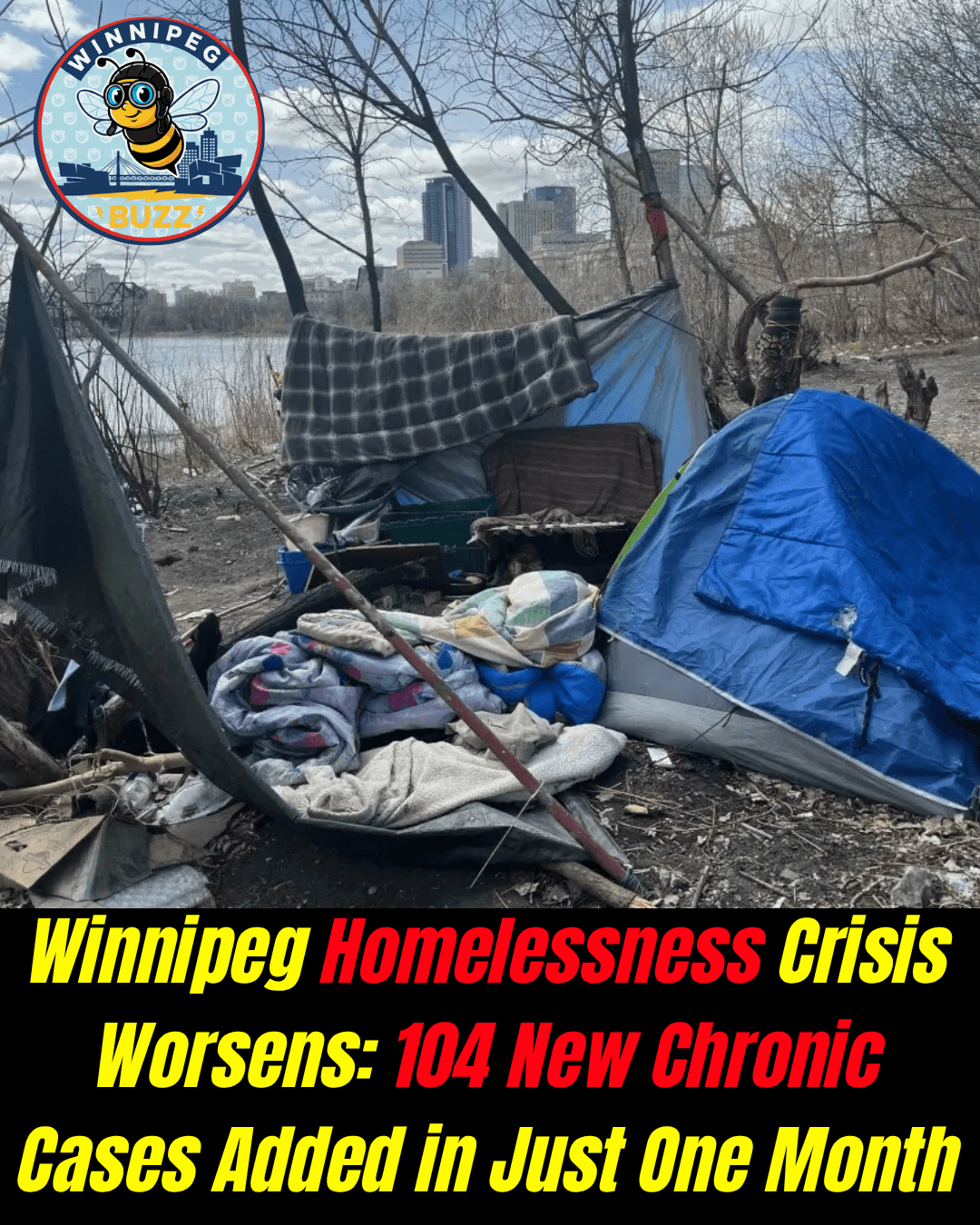
Even more concerning, the report indicates that 104 additional people were added to the chronic homelessness category in just one month, signaling how quickly the situation is escalating.
Overall, Winnipeg has seen a dramatic increase of approximately 2,550 more people experiencing homelessness over the past year, underscoring a steady upward trend rather than a temporary spike.
System Under Growing Strain
Frontline service providers are warning that the current support system is struggling to keep pace with rising demand. Shelters, transitional housing, and outreach teams are operating under increasing pressure, with limited capacity to absorb the growing number of individuals in need.
Advocates say the imbalance between people entering homelessness and those able to transition into stable housing is widening, leading to longer shelter stays and increased chronic cases.
Root Causes Behind the Surge
Experts and community organizations point to several contributing factors driving the crisis, including:
- A severe shortage of affordable housing options
- Rising rent and overall cost of living
- Limited availability of supportive housing units
- Mental health and addiction-related challenges
- Systemic gaps in long-term housing solutions
These combined pressures have created what many describe as a “housing system bottleneck,” where exits from homelessness are far fewer than entries.
Growing Calls for Action
Housing advocates are calling for urgent and coordinated action to address the crisis, emphasizing that emergency shelters alone are not a sustainable solution. Instead, they argue for expanded affordable housing development, increased supportive housing capacity, and stronger preventative programs to reduce inflows into homelessness.
Without significant intervention, experts warn the situation could continue to escalate, placing even greater strain on Winnipeg’s social support systems.
A City at a Crossroads
The latest data paints a sobering picture of a city at a critical crossroads. While efforts continue from community organizations and government agencies, the numbers suggest that current measures are not keeping pace with the scale of need.
As Winnipeg moves further into 2026, the question remains whether long-term housing solutions can be implemented quickly enough to reverse the trend—or whether the crisis will continue to deepen.