
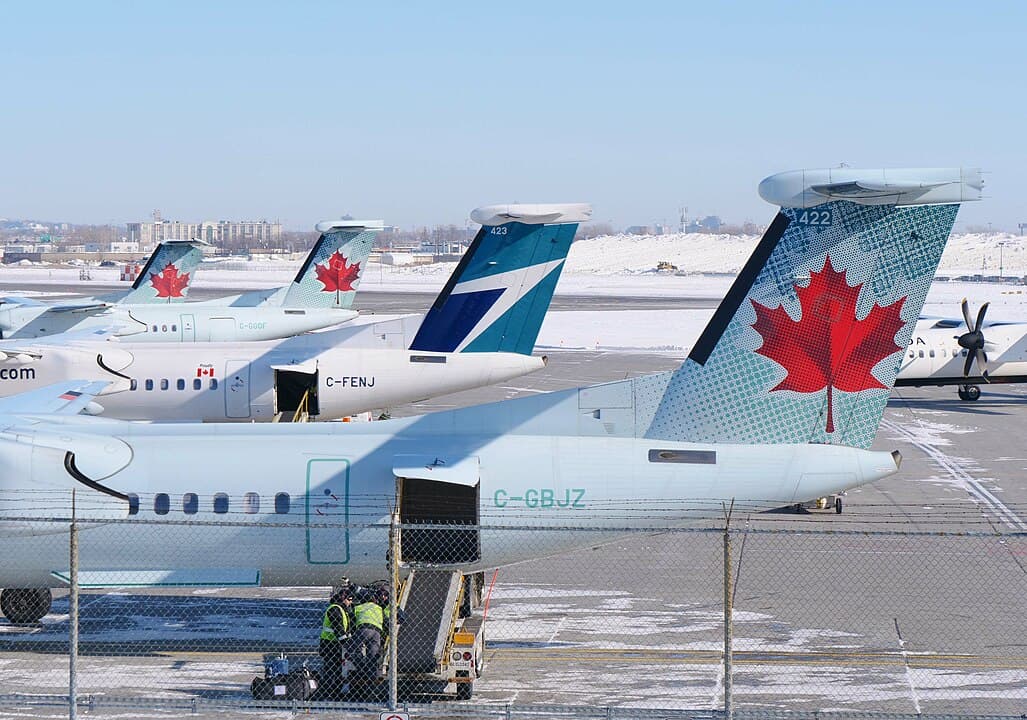
Flight Prices Set to Rise Across Canada as Air Canada, WestJet and Porter Add Fuel Surcharges
Canadian airlines are introducing new fuel surcharges as oil prices surge, making travel more expensive for passengers heading into spring and summer.
Rochelle Silver
As global oil prices continue to climb, Canadian travellers are beginning to feel the impact directly in their wallets. Major carriers including Air Canada, WestJet, and Porter Airlines have announced new fuel-related surcharges and pricing adjustments, signalling a more expensive travel season ahead.
The changes come amid ongoing geopolitical tensions in the Middle East, particularly involving Iran, which have driven up global oil prices and, in turn, the cost of jet fuel—one of the largest expenses for airlines.
Rising Costs Hit Canadian Travellers
Starting April 6, Air Canada has introduced a $50 fuel surcharge per passenger on select vacation packages to popular “sun destinations,” including Mexico, the Caribbean, and parts of the United States. The fee is applied during booking and added to the taxes and fees portion of the ticket.
Meanwhile, WestJet is implementing a $60 surcharge on bookings made using companion vouchers, effective April 8. These vouchers—often used by frequent travellers or credit card holders—will now come with an added cost due to rising fuel prices.
Porter Airlines has also followed suit, introducing a $40 temporary surcharge on flights booked through its VIPorter rewards program. This means travellers redeeming points will still need to pay an additional fee.
Other airlines, including Air Transat and Flair, have also adjusted fares or added surcharges, indicating a broader industry trend rather than isolated changes.
Why Are Airlines Increasing Prices?
Fuel costs have surged dramatically in recent months, with crude oil prices climbing past key thresholds due to geopolitical instability. For airlines, fuel can account for up to 20–30% of operating expenses, making it one of the most significant cost drivers.
To manage these rising costs, airlines are taking multiple steps beyond surcharges. WestJet, for example, has confirmed it is reducing flight capacity on lower-demand routes and adjusting seasonal schedules to improve efficiency.
These strategies help airlines offset losses but ultimately shift part of the burden onto passengers.
Public Reaction: Frustration Growing
The introduction of new fees has sparked frustration among Canadians, many of whom are already dealing with high living costs. Travellers have voiced concerns that flights—already considered expensive domestically—are becoming even less affordable.
For families planning vacations or individuals relying on reward programs, the additional charges can significantly impact travel budgets.
Temporary Measure or Long-Term Trend?
Airlines maintain that these surcharges are temporary and will be removed once fuel prices stabilize. However, with ongoing global uncertainty, it remains unclear how long travellers will need to absorb these extra costs.
Industry analysts suggest that if fuel prices remain volatile, travellers could continue to see fluctuating fares throughout 2026, especially during peak travel seasons.
What Travellers Should Know
For now, travellers are advised to:
- Book flights early to lock in current prices
- Monitor fare changes and promotions
- Expect additional fees, especially on reward bookings and vacation packages
As airlines navigate rising operational costs, one thing is clear: cheap flights may become harder to find in the months ahead.