
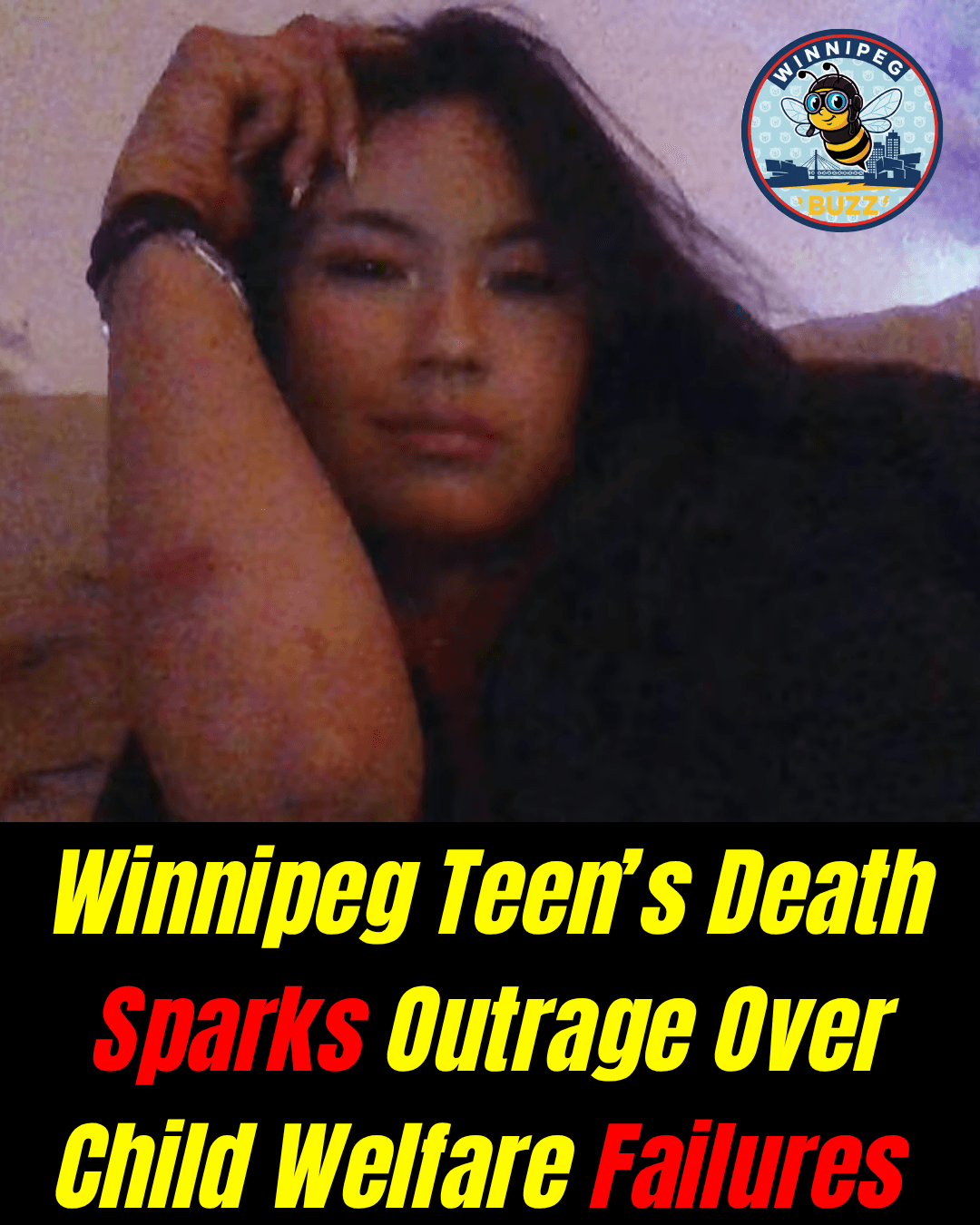
“System Failure? Winnipeg Teen’s Death Raises Alarms Over Child Welfare, Group Home Support”
An 18‑year‑old woman in care of Child and Family Services was killed in Winnipeg. Friends, workers, and family question whether gaps in support, supervision and consequences contributed to her death. New scrutiny now falls on group homes and child welfare practices.
Rochelle Silver
Winnipeg — The tragic death of 18-year-old Avontai Hartleib has sparked serious concerns about the support provided to youth in Manitoba’s child welfare system. Hartleib, who had been living in a group home while under the care of Child and Family Services (CFS), was killed earlier this year, and friends, family, and workers say the system may have failed her.
Hartleib, originally from Sachigo Lake First Nation, had faced challenges including housing instability and struggles with addiction. Despite repeatedly asking for help, those close to her say she did not receive the support she needed. On February 14, 2026, Winnipeg Police found her dead at a residence in the city’s West End. A 14-year-old boy has been charged with second-degree murder and criminal negligence causing death in connection with her death.
Friends remember Hartleib as a bright, caring, and ambitious young woman who dreamed of a better life. “She always had big dreams and a kind heart,” said one friend. “It’s heartbreaking to think that the system that was supposed to help her didn’t step in when she needed it most.”
A worker from the group home where Hartleib lived has now spoken out, claiming that rules and expectations in the home were often unenforced, and that there were few consequences when residents failed to follow them. Staff reportedly lacked the ability to ensure youth remained safe, and the system limited what they could do to intervene effectively.
This case highlights wider concerns about Manitoba’s child welfare system, particularly for Indigenous youth, who make up a significant portion of children in care. Advocates stress that support, supervision, and wraparound services are critical, yet often delayed or insufficient.
Hartleib’s father, David Hartleib, expressed frustration with the challenges his daughter faced while in care. He said she struggled with depression and addiction, and that group homes provided little stability or privacy, making it hard for her to thrive.
Manitoba’s Families Minister, Nahanni Fontaine, confirmed that an investigation is underway to determine whether gaps in CFS oversight or group home practices contributed to Hartleib’s death. Representatives from the group home and CFS have declined to comment due to confidentiality rules.
Community members and child welfare advocates say Hartleib’s death is a stark reminder that vulnerable youth need stronger support and protection. They are calling for improved supervision, faster access to mental health and addiction services, and stricter enforcement of safety measures in group homes.
As friends and family mourn, the case continues to prompt reflection on how Manitoba’s child welfare system can better protect its youth and prevent similar tragedies in the future.