
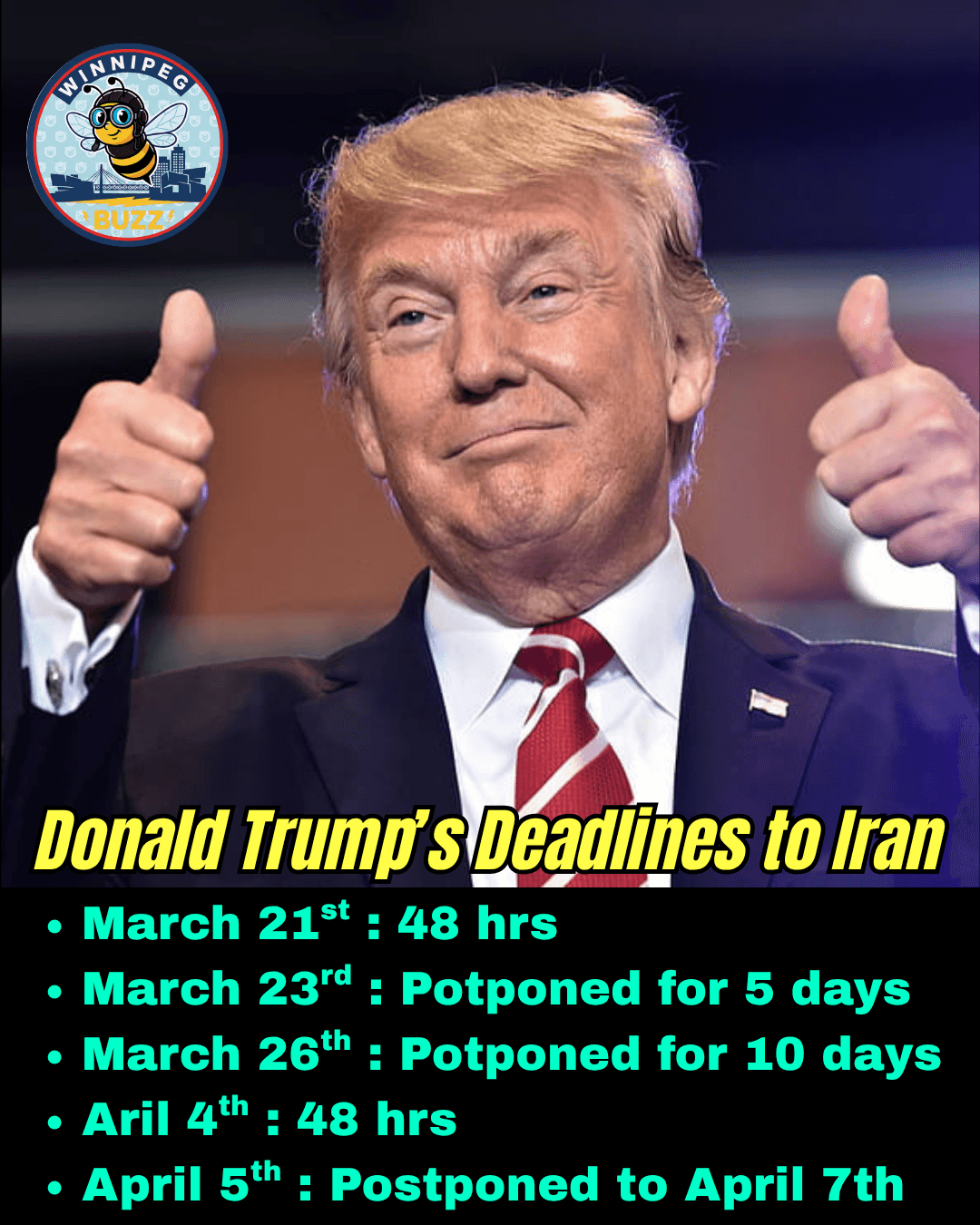
Trump’s Iran Strike Timeline Sparks Global Confusion as Deadlines Shift Again
U.S. President Donald Trump’s repeated warnings and shifting timelines regarding a potential strike on Iran have created global uncertainty. With deadlines postponed multiple times, questions are rising about strategy, credibility, and the broader geopolitical impact of escalating tensions.
Rochelle Silver
rump’s Iran Strike Timeline Sparks Global Confusion as Deadlines Shift Again
Tensions between the United States and Iran have once again captured global attention, as U.S. President Donald Trump continues to issue warnings regarding potential military action—only to repeatedly shift deadlines and delay any concrete moves. The evolving situation has left political analysts, global leaders, and the public questioning whether these warnings signal a calculated strategy or growing uncertainty.
Over recent weeks, Trump has made a series of strong statements suggesting imminent military action against Iran, particularly tied to developments in the strategically critical Strait of Hormuz. The waterway, which handles a significant portion of the world’s oil shipments, has long been a focal point of geopolitical tension. Any disruption in this region carries serious implications for global energy markets and economic stability.
A Pattern of Deadlines and Delays
Initially, Trump issued a firm ultimatum, suggesting that action could be taken within 48 hours if certain conditions were not met. However, as that deadline approached, it was extended. Days later, a new timeline emerged—only to be postponed once again. This pattern has continued, creating a cycle of anticipation followed by delay.
Such repeated extensions have drawn mixed reactions. Supporters argue that the approach reflects a tactical use of pressure, allowing room for diplomatic maneuvering while maintaining a strong public stance. Critics, however, suggest that the shifting timelines may undermine credibility, both domestically and internationally.
Global Reaction and Strategic Concerns
International observers have been closely monitoring the situation. Allies and adversaries alike are attempting to interpret the intent behind the delayed timelines. For many, the uncertainty itself has become a central issue.
Markets have responded cautiously, with fluctuations reflecting concerns over potential conflict. Oil prices, in particular, tend to react sharply to any developments involving the Strait of Hormuz. Even the suggestion of military escalation can trigger ripple effects across global economies.
Meanwhile, diplomatic channels remain active. Several countries have called for restraint, emphasizing the importance of de-escalation and dialogue. The stakes are high, as any military confrontation could have far-reaching consequences beyond the immediate region.
Iran’s Response
Iranian officials have responded with a mix of defiance and strategic messaging. While rejecting external pressure, they have also signaled readiness to defend national interests. Public statements from Iranian leadership have downplayed the immediacy of any threat while reinforcing their position against foreign intervention.
At the same time, Iran has used the situation to highlight what it describes as inconsistencies in U.S. messaging. The repeated delays have been portrayed as evidence of indecision, though such interpretations vary depending on perspective.
Strategy or Uncertainty?
One of the central questions surrounding the situation is whether the shifting deadlines are part of a broader strategic framework or a reflection of evolving circumstances.
Some analysts suggest that extending deadlines allows for continued negotiations behind the scenes. By maintaining pressure without immediate action, it may be possible to achieve concessions without escalating into conflict. This approach, however, requires careful balance to avoid appearing indecisive.
Others argue that frequent changes to stated timelines risk diminishing the perceived seriousness of the threat. In international relations, consistency often plays a key role in maintaining credibility. When deadlines are repeatedly adjusted, it can create ambiguity about intentions.
The Role of Public Messaging
In today’s digital age, public statements carry significant weight. Announcements made through media and social platforms can shape global narratives almost instantly. Trump’s communication style, known for its direct and often dramatic tone, has amplified the visibility of these developments.
This has contributed to a cycle in which each new statement generates widespread attention, followed by analysis and speculation. As deadlines shift, the narrative evolves, keeping the issue in constant public focus.
Potential Outcomes
Looking ahead, several scenarios remain possible. Diplomatic resolution, continued delays, or eventual military action are all within the realm of possibility. Much will depend on how both sides navigate the current tensions and whether back-channel negotiations yield results.
The international community continues to emphasize the importance of stability, particularly given the broader implications for global security and economic health. Any escalation could have consequences extending far beyond the immediate parties involved.
Conclusion
The ongoing situation involving Trump’s warnings toward Iran highlights the complexities of modern geopolitical strategy. With deadlines repeatedly postponed, the line between calculated pressure and uncertainty has become increasingly blurred.
As the world watches closely, one thing remains clear: in a region as sensitive as the Strait of Hormuz, even the perception of conflict can have significant consequences. Whether these developments ultimately lead to resolution or escalation will depend on the decisions made in the days ahead.
For now, the shifting timelines continue to fuel debate, speculation, and concern—keeping global attention firmly fixed on what comes next.