Winnipeg Woman Loses Thousands to Sophisticated Scam, TD Bank Refuses Refund
A Winnipeg woman is left devastated after losing over $4,600 to a highly convincing scam. Even more shocking, her bank, TD, has refused to refund the money. Experts warn scams are becoming increasingly sophisticated, leaving even careful customers vulnerable. The case raises serious questions about bank protections and the responsibilities of financial institutions.
Rochelle Silver
A Winnipeg woman says she is left “dumbfounded” after falling victim to a sophisticated scam, only to be refused a refund by her bank. The case has sparked outrage and raised concerns about customer protections and fraud detection in Canadian financial institutions.
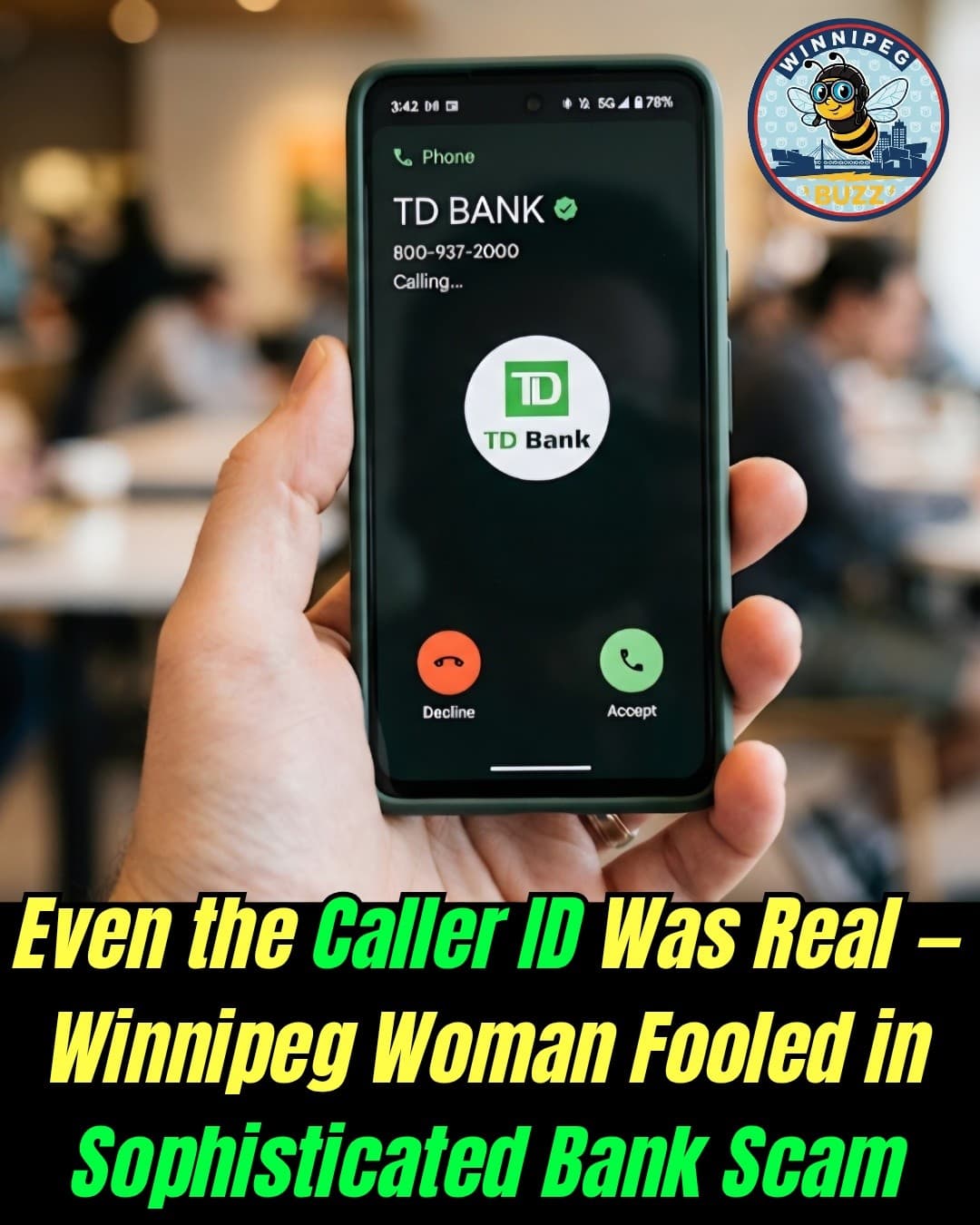
Lisa Taron, 62, received what appeared to be a legitimate call from her bank, TD Bank, warning of suspicious activity on her account. The caller ID even displayed the bank’s name, and the hold music sounded authentic, creating a sense of urgency. Believing she was protecting her finances, she followed instructions and confirmed a security prompt.
Within a short period, scammers had drained her account through multiple small transactions and fake cheque deposits, totaling over $4,600. Taron says she never shared her PIN or full banking information but believes confirming the security prompt gave scammers access.
The most shocking part for Taron was her bank’s response. After reviewing her case, TD Bank refused to reimburse the lost funds, leaving her struggling to pay for rent, groceries, and medication. She has even had to rely on her 91-year-old mother for financial support.
“This wasn’t a careless mistake—it was a professional, well-planned scam,” Taron said. “I feel helpless and frustrated that the system that’s supposed to protect me didn’t act in time.”
Fraud experts warn that scams like this are becoming increasingly sophisticated:
- Scammers can spoof caller ID to appear as legitimate bank representatives.
- Urgent, realistic scripts pressure victims into making quick decisions.
- Even confirming codes or prompts can give scammers access to accounts.
This case highlights a growing debate over the responsibilities of banks versus customers in fraud cases. While banks have fraud detection systems, gaps remain, leaving individuals vulnerable to smart and persuasive scams.
Authorities advise customers to remain vigilant:
- Never trust caller ID alone
- Contact the bank directly using known numbers
- Avoid confirming security codes or personal information unless the call is verified
As scams become more advanced, stories like Taron’s serve as a warning: even the most careful consumers can fall victim, and financial institutions may not always reimburse losses.