$51M Affordable Housing Project to Bring 150 New Homes to West Winnipeg
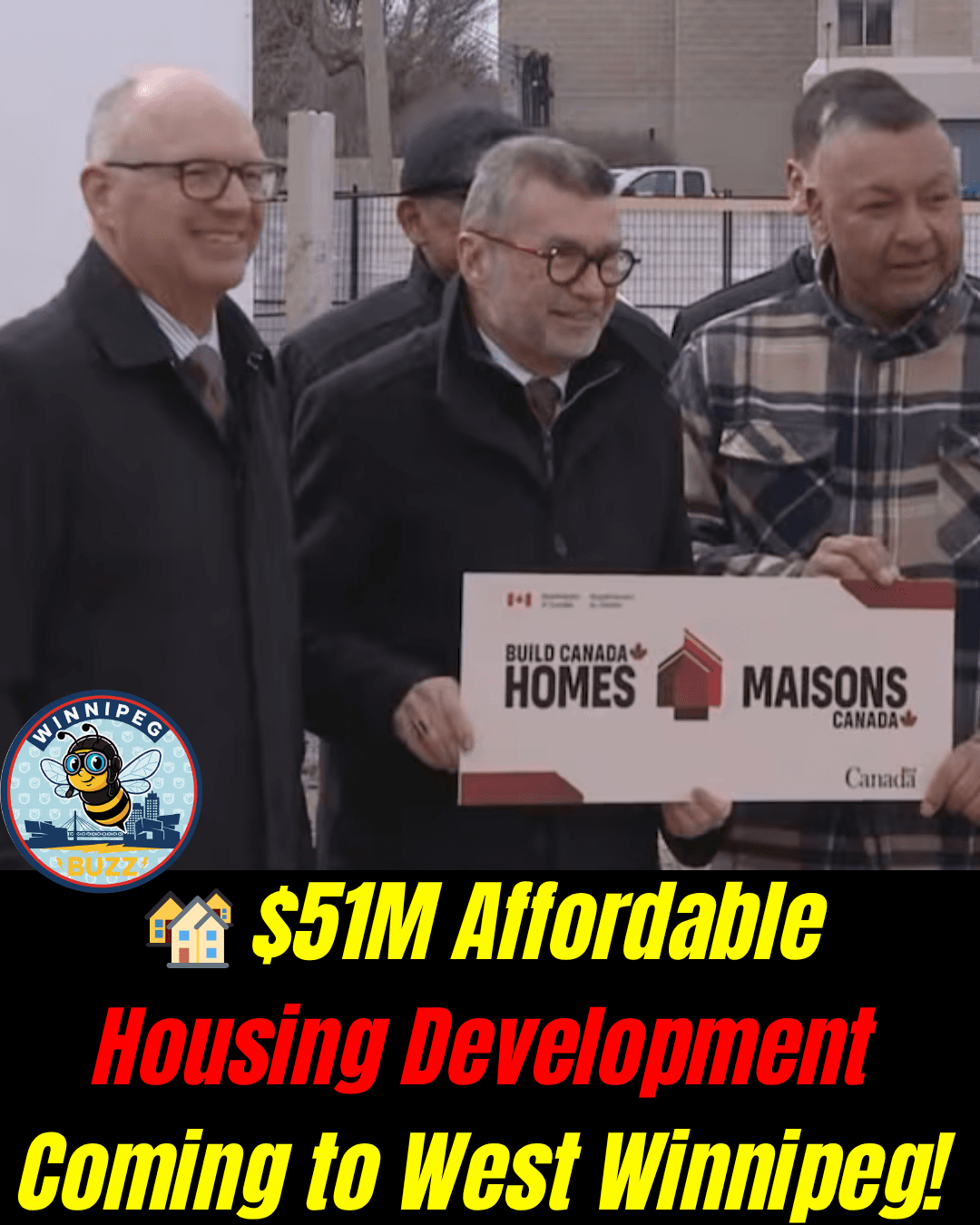
A major $51 million housing project in west Winnipeg will deliver approximately 150 affordable units through a partnership between Shoal Lake 40 First Nation, government agencies, and the City of Winnipeg, helping address the city’s growing housing demand.
Rochelle Silver
A major step toward addressing Winnipeg’s housing shortage is underway, as a new $51 million affordable housing development has been announced for the city’s west end. The project is expected to deliver approximately 150 new homes, providing much-needed relief for individuals and families struggling to find affordable housing options.
The development will be located at 2675 Portage Avenue and is being led by Shoal Lake 40 First Nation in partnership with Manitoba Housing and the City of Winnipeg. The initiative represents a collaborative effort between Indigenous leadership and multiple levels of government to tackle one of the city’s most pressing challenges.
The housing complex will include a mix of one-, two-, and three-bedroom apartment units, designed to accommodate a range of residents—from single individuals to larger families. The focus is on creating safe, stable, and affordable living spaces while fostering a sense of community.
Funding for the project comes from several sources, including federal housing programs such as the Affordable Housing Fund, along with contributions from the province, the city, and equity from Shoal Lake 40 First Nation. This multi-level investment reflects a broader national push to expand housing supply and improve affordability across Canada.
Officials say the project is not just about building homes, but about creating opportunities and improving quality of life. Developments like this are expected to play a critical role in reducing housing insecurity and supporting vulnerable populations, including low- and moderate-income households.
The involvement of Shoal Lake 40 First Nation is especially significant, as it highlights the growing role of Indigenous communities in leading urban development projects. Leaders have emphasized that this initiative represents both economic growth and a step toward reconciliation, with Indigenous-led housing solutions becoming an increasingly important part of Canada’s housing landscape.
While an exact construction timeline has not been fully confirmed, the project is expected to move forward in the near future. Once completed, it will add to the city’s housing inventory at a time when demand continues to outpace supply.
Winnipeg, like many Canadian cities, has been grappling with rising housing costs and limited availability. This $51 million investment signals a strong commitment from all partners involved to address these challenges head-on and ensure more residents have access to affordable, quality housing.
As the project progresses, it is expected to have a lasting impact—not only by providing homes, but by strengthening communities and setting a model for future collaborations in housing development.