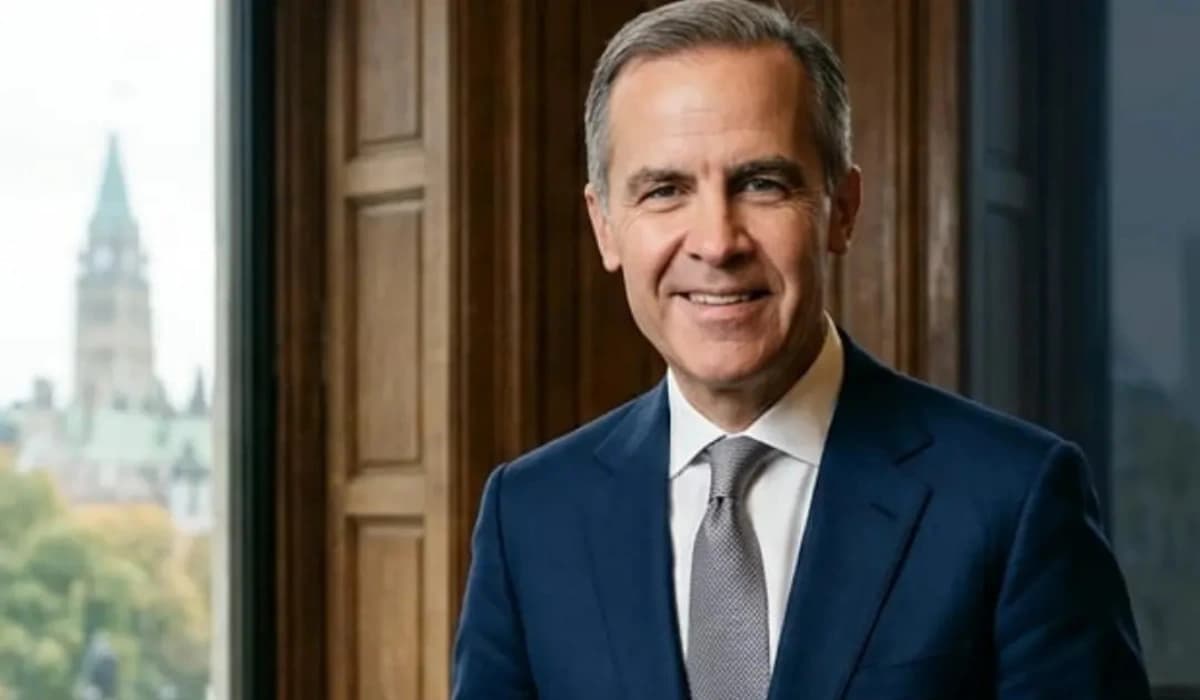
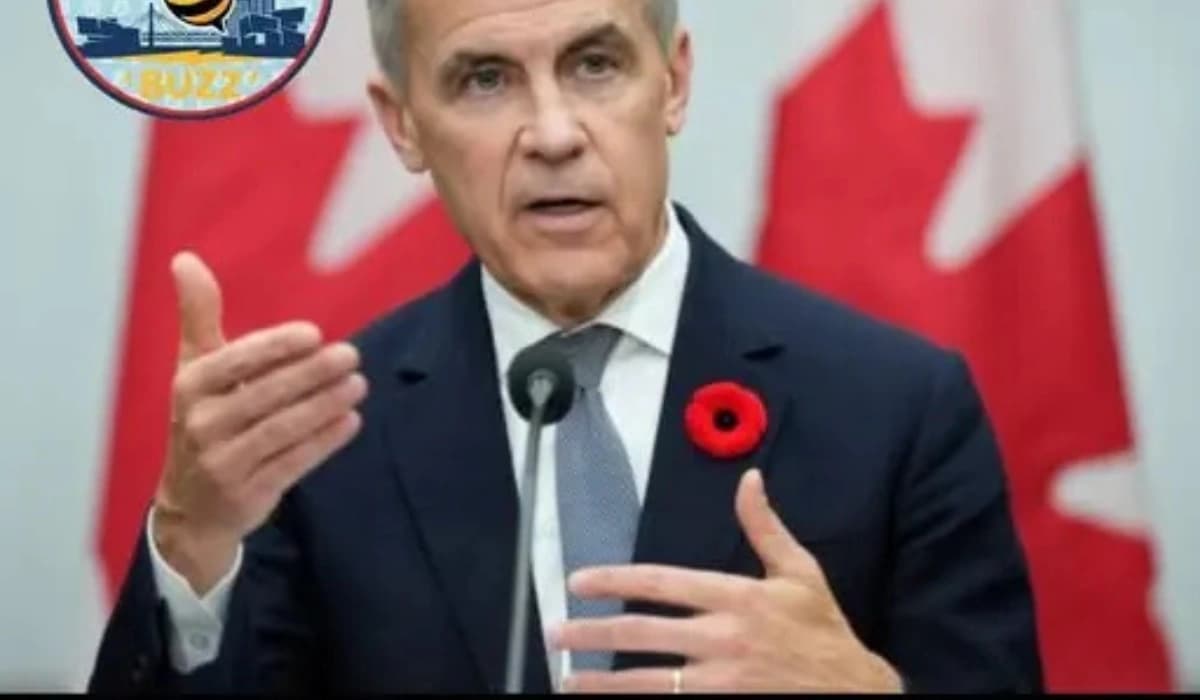
Mark Carney Signals Major Shift as Canada Faces Rising U.S. Trade Pressure
Prime Minister Mark Carney prepares for crucial U.S. trade talks, warning Canada must reduce reliance on its largest partner amid growing economic tensions.
Rochelle Silver
Canada is entering a pivotal moment in its economic future as Prime Minister Mark Carney signals a major shift in how the country approaches its relationship with its largest trading partner, the United States.
With a crucial review of the United States–Mexico–Canada Agreement (USMCA) approaching, Carney has made it clear that Canada must prepare for tougher negotiations, increasing pressure, and a changing economic landscape.
Rising Trade Tensions
The upcoming trade discussions are expected to be among the most consequential in recent years. Key industries such as steel, aluminum, and automotive manufacturing could face renewed tariff disputes, which may have ripple effects across the Canadian economy.
Recent speculation suggested that the U.S. could impose additional financial or structural demands on Canada ahead of negotiations. However, Carney has downplayed these claims, stating that no formal “entry fee” or unusual conditions have been presented at this stage.
Still, behind the scenes, the tone remains cautious. The U.S. has historically taken a firm stance on trade imbalances, and Canadian officials are preparing for a challenging round of talks that could redefine cross-border commerce.
New Advisory Council Formed
In a move aimed at strengthening Canada’s position, Carney has announced the creation of a 24-member Canada–U.S. economic advisory council. The group brings together experienced business leaders, economists, and former policymakers tasked with guiding the country through the upcoming negotiations.
The council’s role will be to provide strategic insights, identify vulnerabilities, and recommend opportunities for growth as Canada navigates what could be a turbulent trade environment.
A Warning on Economic Dependence
One of the most striking elements of Carney’s recent remarks is his candid warning about Canada’s economic reliance on the United States.
For decades, close trade ties between the two nations have been viewed as a cornerstone of Canada’s prosperity. However, Carney now argues that this dependence has become a potential weakness in an era of shifting global dynamics and increasing economic nationalism.
His message is clear: Canada must reduce its vulnerability by expanding trade relationships beyond North America.
Push for Global Diversification
As part of this broader strategy, Carney is advocating for deeper economic engagement with international partners across Europe, Asia, and other emerging markets.
Diversification, he argues, will not only protect Canada from external shocks but also open new opportunities for growth in industries ranging from energy to technology.
This shift does not mean abandoning the U.S. relationship, but rather recalibrating it to ensure Canada has more flexibility and resilience in the face of uncertainty.
What’s at Stake
The outcome of the upcoming USMCA review could have significant implications for Canadian businesses, workers, and consumers. Industries tied closely to exports—especially manufacturing and natural resources—will be watching closely.
Any changes to tariffs or trade rules could impact jobs, prices, and investment decisions across the country.
For Canadians, the broader issue is about stability and long-term economic security. Carney’s approach suggests a government preparing not just for the next negotiation, but for a fundamentally different global economy.
Looking Ahead
As negotiations draw closer, attention will remain fixed on both Ottawa and Washington. While uncertainty remains, one thing is clear: Canada is entering a new phase in its economic strategy.
With stronger preparation, a focus on diversification, and a willingness to confront difficult realities, the Carney government is signaling that it intends to navigate these challenges head-on.
Whether this approach will pay off will depend on how the upcoming talks unfold—but the direction of change is already set.