Ottawa Rejects Manitoba’s Work Permit Extension Request Again, Raising Concerns Over Labour Shortages
Manitoba’s request for federal work permit extensions and increased immigration allocations has been denied for the second time in two months. Provincial leaders warn the decision could worsen labour shortages and impact businesses relying on temporary foreign workers.
Rochelle Silver
Manitoba’s efforts to secure federal support for extending work permits and increasing immigration allocations have been dealt another blow, as Ottawa has once again rejected the province’s request.
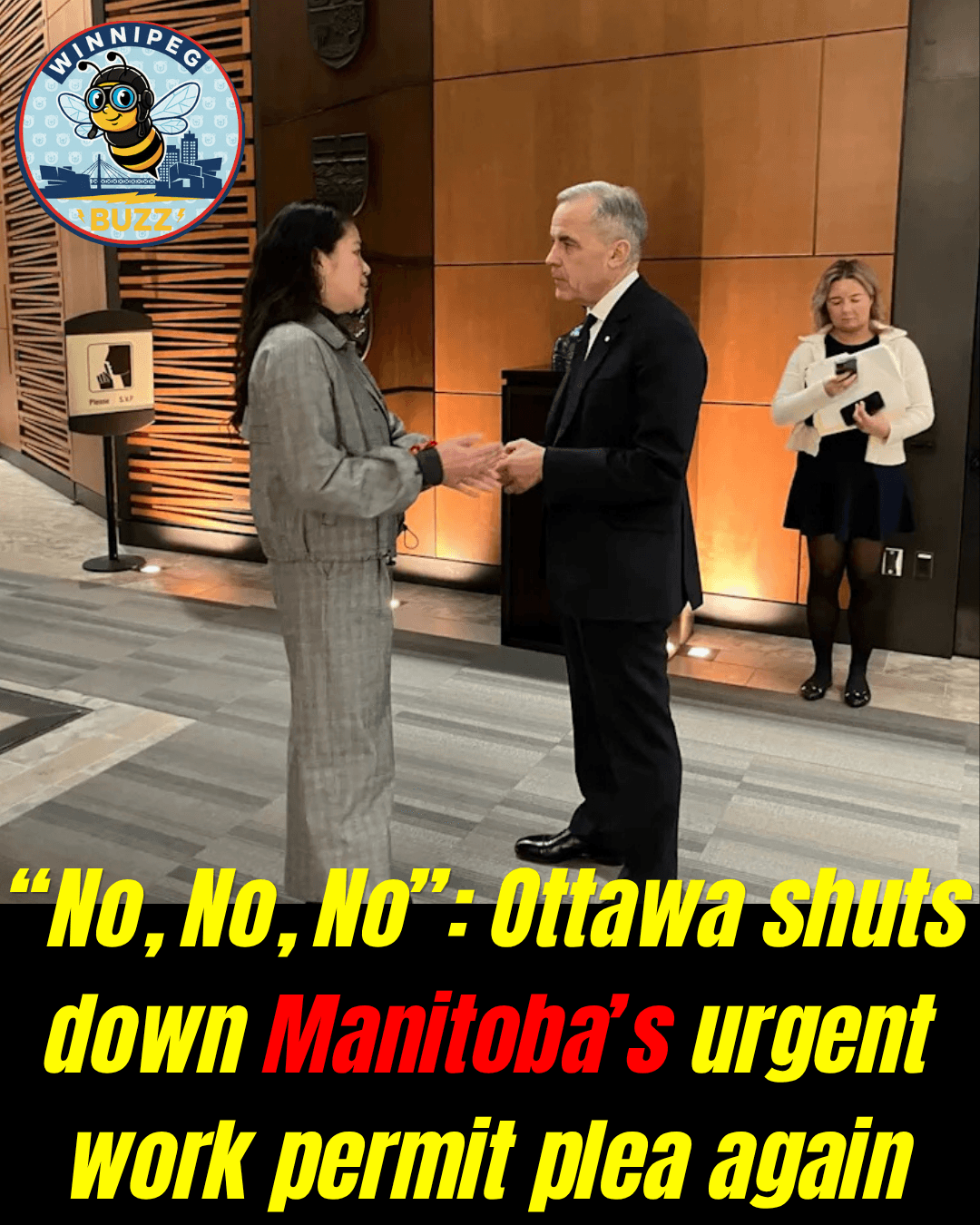
Immigration Minister Malaya Marcelino travelled to Ottawa this week alongside a group of Manitoba business leaders, hoping to make a strong case for both extending federal work permits and expanding the province’s share under the Provincial Nominee Program (PNP). The visit was aimed at addressing growing labour shortages and supporting employers who rely heavily on temporary foreign workers to sustain operations.
However, the outcome of those meetings has sparked frustration. According to Marcelino, the federal government declined the request for the second time in just two months. She described the response as consistent and firm, saying her appeals for both work permit extensions and increased federal allocations were met with repeated refusals.
The discussions included meetings with senior federal officials, including the deputy chief of staff to the prime minister and the federal immigration minister. Despite presenting concerns from Manitoba employers and highlighting economic pressures, the province was unable to secure any concessions.
This decision comes at a time when many industries across Manitoba — including hospitality, manufacturing, and agriculture — continue to face workforce shortages. Employers have increasingly relied on temporary foreign workers to fill critical roles, and uncertainty around work permit renewals has raised concerns about employee retention and business continuity.
Business leaders who joined the delegation had hoped that a united front would underscore the urgency of the issue. Many argue that without extensions, skilled and experienced workers may be forced to leave the country, creating further disruptions in already strained sectors.
The Provincial Nominee Program, which allows provinces to nominate immigrants based on local economic needs, was also a key focus of the discussions. Manitoba has been advocating for a higher allocation to better address its unique labour market demands. The federal government’s refusal to increase these numbers has added to the province’s challenges.
The repeated rejection is expected to intensify discussions around immigration policy and provincial autonomy. Manitoba officials have signaled that they will continue advocating for changes, while also exploring other ways to support employers and workers affected by federal decisions.
As uncertainty remains, both workers and businesses across the province are left waiting for clarity on what comes next.