
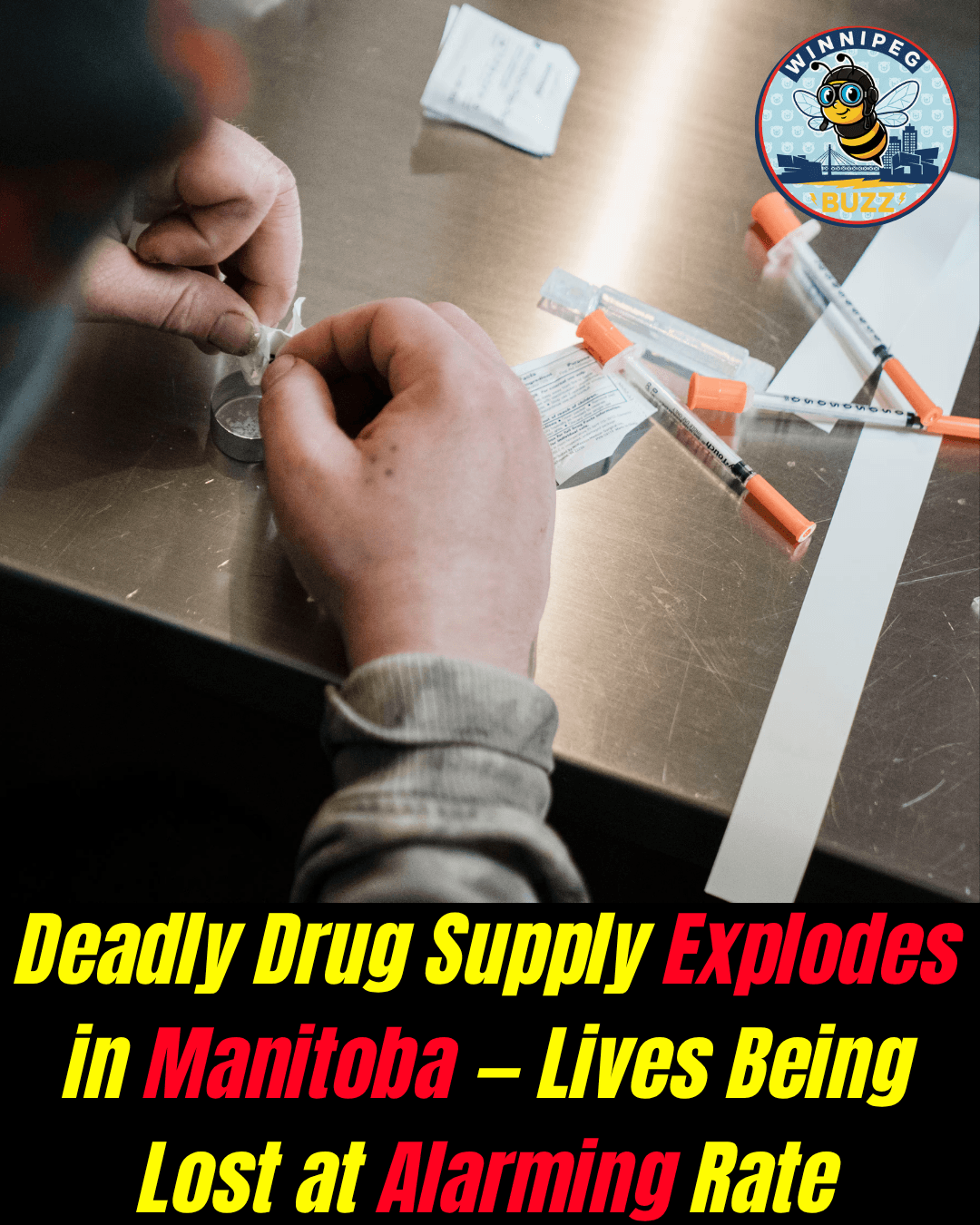
Toxic Drug Supply Driving Surge in Overdose Deaths Across Manitoba, Advocates Call for Public Health Emergency
A dangerous and increasingly toxic drug supply is being linked to a rising number of overdose deaths across Manitoba, prompting urgent calls from advocates for a public health emergency declaration and expanded harm reduction measures.
Rochelle Silver
Across Manitoba, health workers, community organizations, and advocates are sounding the alarm over a rapidly escalating crisis tied to an increasingly toxic and unpredictable drug supply. The situation, which has been particularly severe in Winnipeg, is being described as one of the most dangerous phases of the ongoing overdose crisis in recent years.
Frontline responders report a noticeable rise in drug-related deaths, with many cases linked to substances that are far more potent and contaminated than in the past. The illicit supply is often laced with powerful synthetic opioids such as fentanyl, as well as other unknown additives, making it extremely difficult for users to know what they are consuming. Even small, unintended doses can now lead to fatal outcomes.
Health advocates say the unpredictability of the supply has significantly increased the risk for people who use drugs, even those with experience or tolerance. Emergency services and outreach teams are also reporting higher call volumes, reflecting the growing pressure on an already strained system.
Community organizations and harm reduction workers are now urgently calling on the provincial government to declare a public health emergency, arguing that the scale and severity of the situation demand immediate and coordinated action. They say such a declaration would help accelerate funding, expand access to life-saving resources, and strengthen harm reduction programs across the province.
Proposed measures include expanding supervised consumption services, increasing access to naloxone (an overdose-reversing medication), improving drug checking services, and enhancing access to treatment and recovery supports. Advocates emphasize that a multi-faceted response is essential, as no single solution can address the complexity of the crisis.
At the same time, many community voices are highlighting the need to shift public understanding of addiction from a criminal issue to a health and social care challenge. They stress that stigma continues to be a major barrier preventing individuals from seeking help.
While governments across Canada have faced similar crises in recent years, the situation in Manitoba is now being described as urgent and worsening. Advocates warn that without immediate intervention, the number of preventable deaths could continue to rise.
As pressure builds, the debate now centres on how quickly the province will respond—and whether emergency-level action will be taken to address what many are calling a preventable loss of life on a growing scale.