Manitoba Social Media Ban Proposal Raises Concerns Over Classroom YouTube Use
Manitoba’s proposed youth social media restrictions may impact classroom use of YouTube, sparking debate among educators and government over digital learning tools.
Rochelle Silver
Manitoba’s proposed crackdown on youth social media use is now sparking an unexpected debate in the education sector — whether popular platforms like YouTube could be restricted inside classrooms.
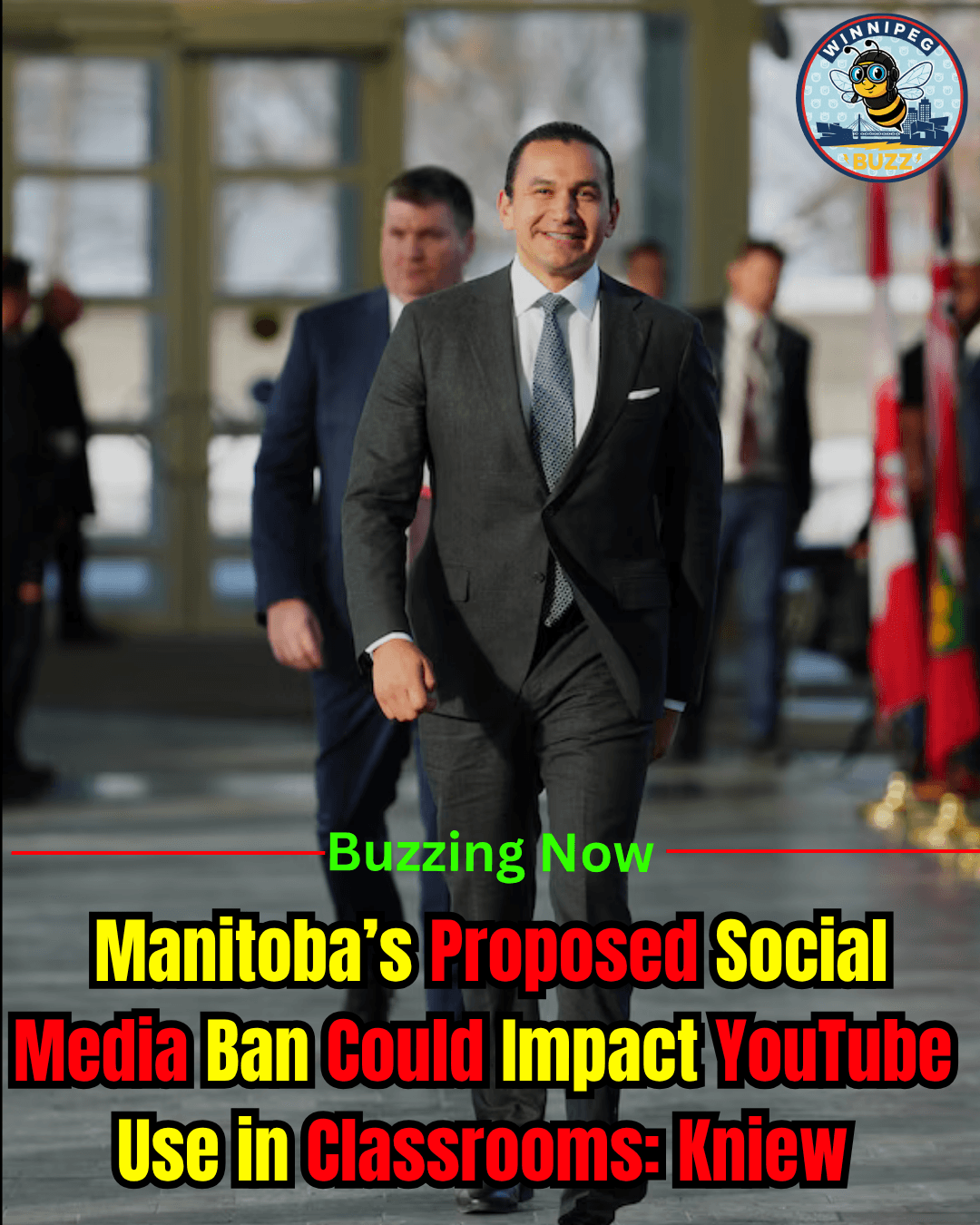
Premier Wab Kinew has suggested that the province’s upcoming social media safety measures, designed to protect children from harmful online content and excessive screen exposure, may begin within school environments. While the intent is focused on improving digital safety for young users, the scope of the policy has raised questions about how it could affect everyday teaching practices.
YouTube, widely used by educators across Manitoba and beyond, has become a key classroom tool. Teachers regularly rely on it for educational videos, science demonstrations, historical documentaries, language lessons, and interactive learning material. For many classrooms, it serves as a visual and accessible extension of the curriculum.
However, under the proposed framework, concerns have emerged that YouTube could be grouped under restricted social media platforms. If that happens, educators may face limitations in using the platform during lessons — potentially forcing schools to rethink how digital content is delivered.
The Manitoba Teachers’ Society has expressed concern over a broad application of the policy. While supporting efforts to protect students online, educators warn that removing access to widely used learning platforms could reduce engagement and limit modern teaching methods. They emphasize that not all online platforms serve entertainment purposes — many are essential educational resources in today’s classrooms.
Supporters of the proposed restrictions argue that stronger digital boundaries are necessary to protect children from addictive algorithms, harmful content, and excessive exposure to social media. They believe schools should lead the way in creating healthier digital habits for students.
On the other hand, critics question where the line will be drawn between entertainment-based social media and educational tools. Many are asking whether platforms like YouTube, which host millions of instructional videos and academic content, should be treated the same as social networking apps.
The debate highlights a growing challenge in modern education — balancing digital safety with access to technology-driven learning. As classrooms continue to evolve with online tools, policymakers are now faced with the task of defining what role these platforms should play in schools.
At this stage, details of the final legislation are still being discussed, and adjustments may be made before any rules are implemented. However, the conversation has already sparked strong reactions from educators, parents, and the wider public across Manitoba.
The outcome of this policy could significantly shape how digital learning is delivered in the province, potentially setting a precedent for other regions in Canada as they grapple with similar concerns about youth and online platforms.