
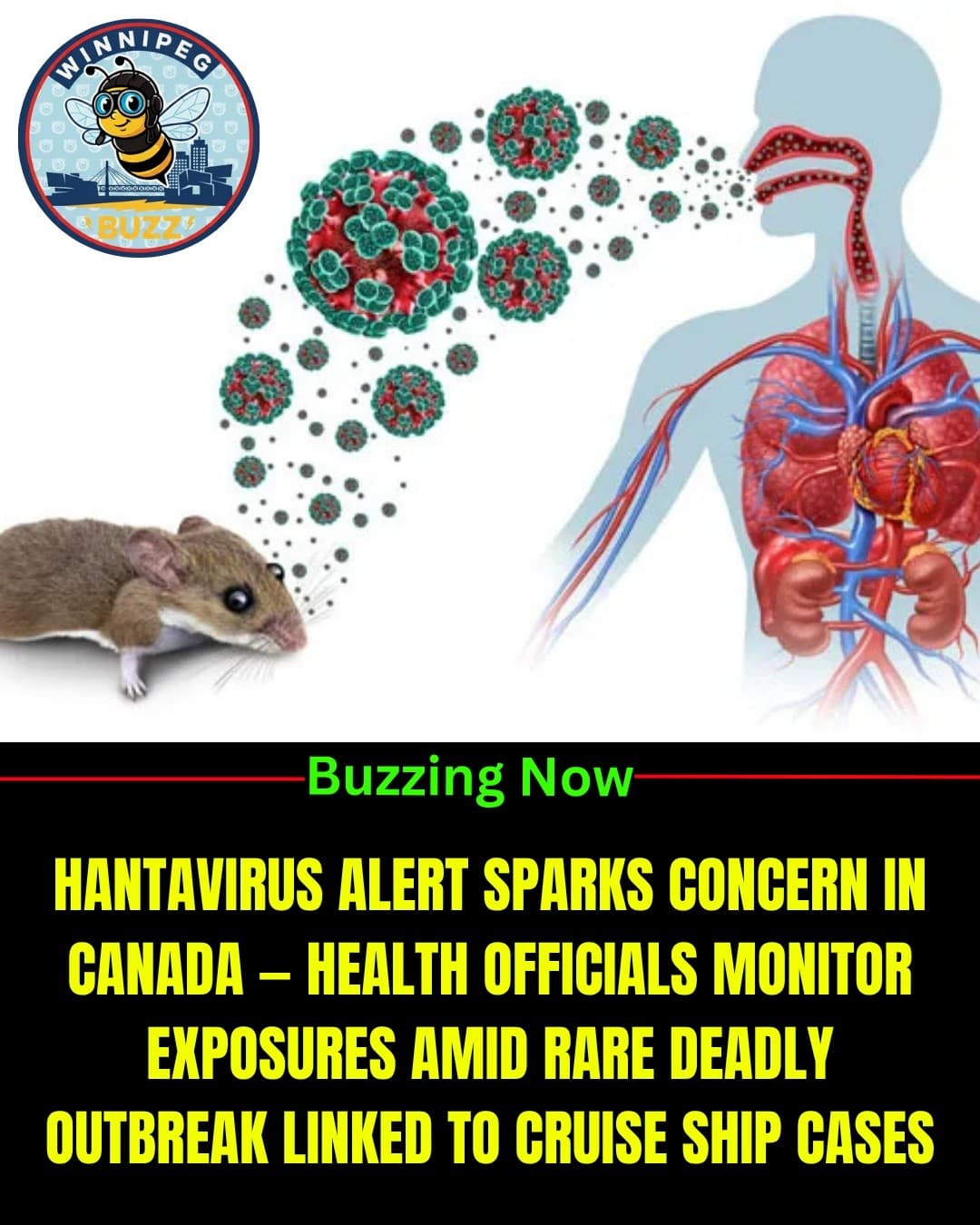
Hantavirus Concerns in Canada: Health Officials Monitor Rare Exposure Linked to International Travel Cases
Canadian health authorities are monitoring potential hantavirus exposure cases linked to an international cruise ship outbreak, while experts emphasize that the risk of widespread transmission remains very low. Public health agencies continue to advise precautionary measures, especially in rural and seasonal settings across Canada.
Rochelle Silver
Hantavirus Monitoring in Canada: What You Need to Know About the Latest Health Update
Canadian health authorities are currently monitoring a small number of potential hantavirus exposure cases linked to international travel, including reported infections connected to a cruise ship outbreak involving a rare strain of the virus. While the situation has drawn public attention, officials stress that the risk to the general population remains very low.
The recent concern stems from confirmed cases of hantavirus infection reported among passengers on an international cruise vessel, where health agencies in multiple countries have begun contact tracing and passenger monitoring. Canadian officials have confirmed they are working with international partners to identify and assess any individuals who may have been exposed during travel.
What is Hantavirus?
Hantavirus is a rare but serious virus primarily spread through contact with infected rodents, particularly deer mice found in parts of Canada, including Manitoba and other western provinces. The virus is typically transmitted when people inhale particles from dried rodent droppings, urine, or saliva that have been disturbed.
In Canada, the most common strain is the Sin Nombre virus, which is not spread from person to person in typical conditions. However, a rare strain known as the Andes virus—associated with recent international cases—has shown limited human-to-human transmission in specific close-contact settings.
Current Situation in Canada
Health officials in Canada have stated that there is no evidence of widespread community transmission. Instead, the situation is being treated as a precautionary monitoring effort tied to travel-related exposure.
Public Health Agency of Canada representatives have reassured Canadians that:
- There is currently no outbreak within Canada
- The risk of person-to-person spread remains extremely low
- Surveillance systems are actively tracking any potential related cases
- Coordination is ongoing with international health authorities
In Manitoba and other Prairie provinces, public health experts also emphasize that hantavirus cases can occur seasonally, usually linked to exposure in rural or semi-rural environments such as cabins, sheds, barns, and garages that may have rodent activity over winter.
Symptoms to Be Aware Of
While rare, hantavirus infection can be serious. Early symptoms may resemble common flu-like illnesses, including:
- Fever and chills
- Muscle aches
- Fatigue
- Headaches
- In later stages, coughing and difficulty breathing
Anyone who develops severe respiratory symptoms after potential exposure to rodents is advised to seek immediate medical attention.
Public Health Advice and Prevention
Health experts are encouraging Canadians to take simple but important precautions, especially during spring cleaning or when reopening seasonal properties:
- Avoid sweeping or vacuuming rodent droppings directly
- Ventilate closed spaces before cleaning
- Use disinfectant solutions to wet contaminated areas
- Wear gloves and masks when cleaning potentially infected spaces
- Seal openings in homes or cabins to prevent rodent entry
These steps significantly reduce the already low risk of infection.
Expert Outlook
Medical experts continue to emphasize that hantavirus is not expected to develop into a widespread outbreak in Canada. Transmission requires specific conditions, and human-to-human spread is extremely rare.
While the recent international cases have prompted increased monitoring, specialists note that this is a precautionary response rather than evidence of a domestic health crisis.
Conclusion
At this stage, Canadian health authorities are maintaining routine surveillance and advising awareness rather than alarm. The public is encouraged to follow basic safety measures, particularly in rural environments, while continuing daily life without disruption.
As investigations continue internationally, updates are expected if any new developments affect Canada directly.