
After Israel Strikes Lebanon, Iran Issues Stark Warning as Global Oil Route Faces Disruption
Tensions in the Middle East are escalating after Israeli strikes in Lebanon triggered a strong warning from Iran. With disruptions reported in the Strait of Hormuz, concerns are growing over a wider conflict and its potential impact on global oil supply and economies.
Rochelle Silver
Tensions in the Middle East have surged sharply following a fresh wave of Israeli airstrikes in Lebanon, prompting a strong and immediate warning from Iran. The situation is evolving rapidly, raising concerns not only about regional stability but also about global economic consequences, particularly in energy markets.
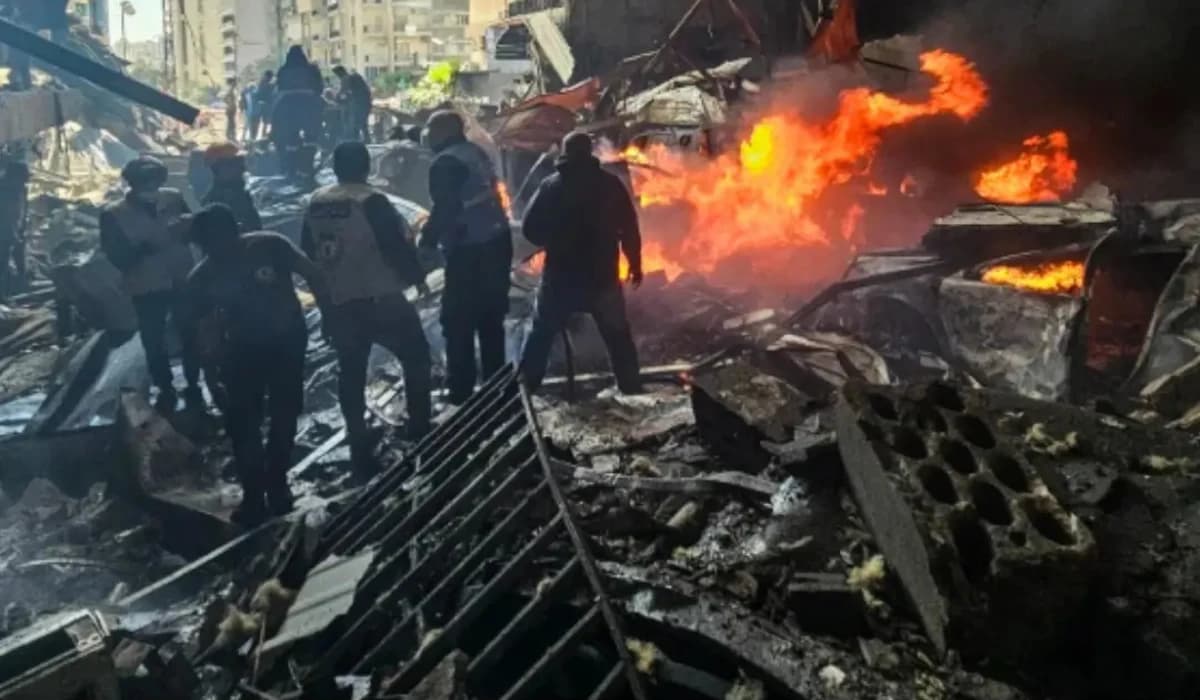
According to emerging reports, Israel carried out targeted strikes in Lebanon, focusing on areas believed to be associated with Hezbollah. Israeli officials have maintained that these operations are part of ongoing security measures and are not bound by broader ceasefire understandings in the region. However, the strikes have intensified an already fragile situation along the لبنان-Israel frontier.
In response, Iran has issued a clear and direct warning, stating that continued attacks on Lebanon will not go unanswered. Iranian leadership has emphasized that such actions undermine diplomatic efforts and could trigger a broader response. While the exact nature of that response remains unclear, the tone signals a significant escalation risk.
One of the most concerning developments tied to this crisis is the situation surrounding the Strait of Hormuz. This narrow but critically important waterway handles roughly 20 percent of the world’s oil shipments. Any disruption here has immediate and far-reaching implications for global energy supply.
Recent reports indicate that maritime traffic in the Strait is facing increased restrictions and uncertainty. While it may not be completely closed, shipping movements appear to be slowed or controlled, contributing to rising oil prices and heightened market volatility. Energy analysts warn that even partial disruption can create ripple effects across global supply chains.
For countries like Canada, the impact could soon be visible at the pump. Rising crude prices often translate into higher fuel costs, adding pressure on households and businesses already navigating economic challenges. Financial markets have also shown signs of nervousness, reflecting uncertainty about how far the situation might escalate.
Diplomatic efforts are ongoing, with global leaders urging restraint and calling for de-escalation. However, the current trajectory suggests a complex standoff, with multiple actors involved and limited immediate resolution in sight. The interconnected nature of military actions, political messaging, and economic consequences makes this crisis particularly volatile.
If Israeli operations in Lebanon continue and Iran follows through on its warning, the region could face a broader confrontation. Such a scenario would not only deepen instability in the Middle East but also amplify global economic shocks, particularly in energy and trade sectors.
For now, the world watches closely as events unfold. The coming days will be critical in determining whether tensions can be contained or whether this situation will expand into a larger geopolitical crisis with global repercussions.