
🌍 Iran–Israel Conflict Escalates as Regional Tensions Surge Across Middle East
The Iran–Israel conflict is rapidly expanding, with energy infrastructure, missile exchanges, and maritime routes all becoming key flashpoints. The situation remains highly volatile, and global leaders are closely watching for further developments that could push the region into a wider war.
Rochelle Silver
The conflict involving Iran and Israel has entered a significantly more dangerous phase, with recent strikes, counterattacks, and regional spillover raising global concerns over stability in the Middle East.
In the latest escalation, Israeli forces reportedly struck key Iranian infrastructure, including the South Pars gas field, one of the world’s largest natural gas reserves. The attack caused major disruptions to energy operations and intensified fears of broader economic fallout, particularly in global energy markets already sensitive to supply shocks.
Iran responded with a wave of missile and drone attacks targeting multiple regional locations, including Israel and several Gulf states. These retaliatory actions have increased security alerts across the region, with air defense systems activated in multiple countries amid fears of further escalation.
At the same time, reports indicate that high-level Iranian officials and security figures have been killed in targeted strikes, further deepening tensions inside Iran’s political and military structure. Iranian authorities have since launched internal security operations and detained individuals accused of collaborating with foreign intelligence agencies.
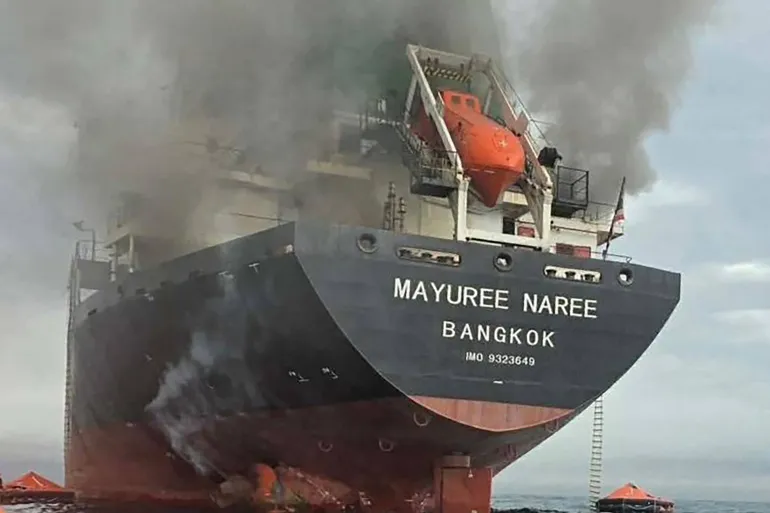
One of the most concerning developments remains the instability around the Strait of Hormuz, a critical global oil shipping route. Even partial disruptions or threats in this waterway have already contributed to rising oil prices and increased shipping insurance costs worldwide. Any prolonged instability in this corridor could have immediate global economic consequences.
The conflict has also widened beyond Iran and Israel, drawing in regional actors and proxy groups across Lebanon, Iraq, and Syria. The involvement of allied militias and cross-border strikes has transformed what was initially a bilateral confrontation into a broader regional security crisis.
The United States and other international powers have increased their military presence in the region, citing the need to protect strategic interests and prevent further escalation. Diplomatic efforts continue, but no ceasefire or de-escalation agreement has been reached so far.
Humanitarian concerns are also rising as civilian populations face growing insecurity, displacement risks, and infrastructure disruptions. International organizations have urged restraint, warning that continued escalation could destabilize the entire region.