Carney Liberals on Verge of Majority as Three Byelections Could Shift Canada’s Political Balance
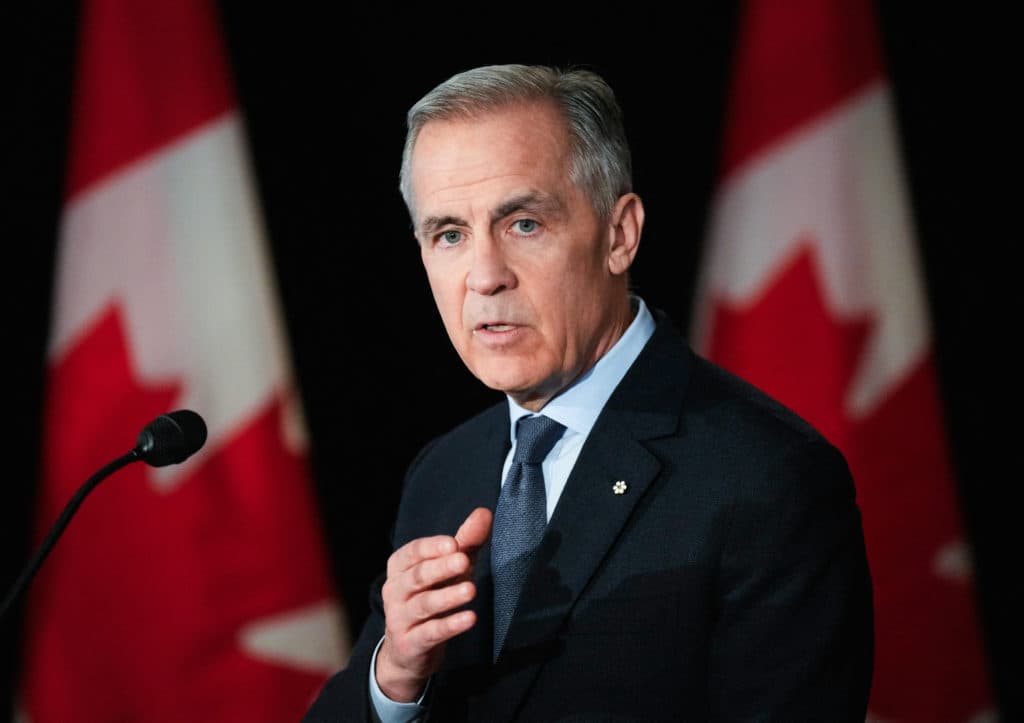
Voters across three federal byelections in Ontario and Quebec could determine whether Prime Minister Mark Carney’s Liberal government crosses into majority territory, marking a potential turning point in Canadian politics.
Rochelle Silver
Carney Liberals on Verge of Majority as Three Byelections Put Canada on Edge
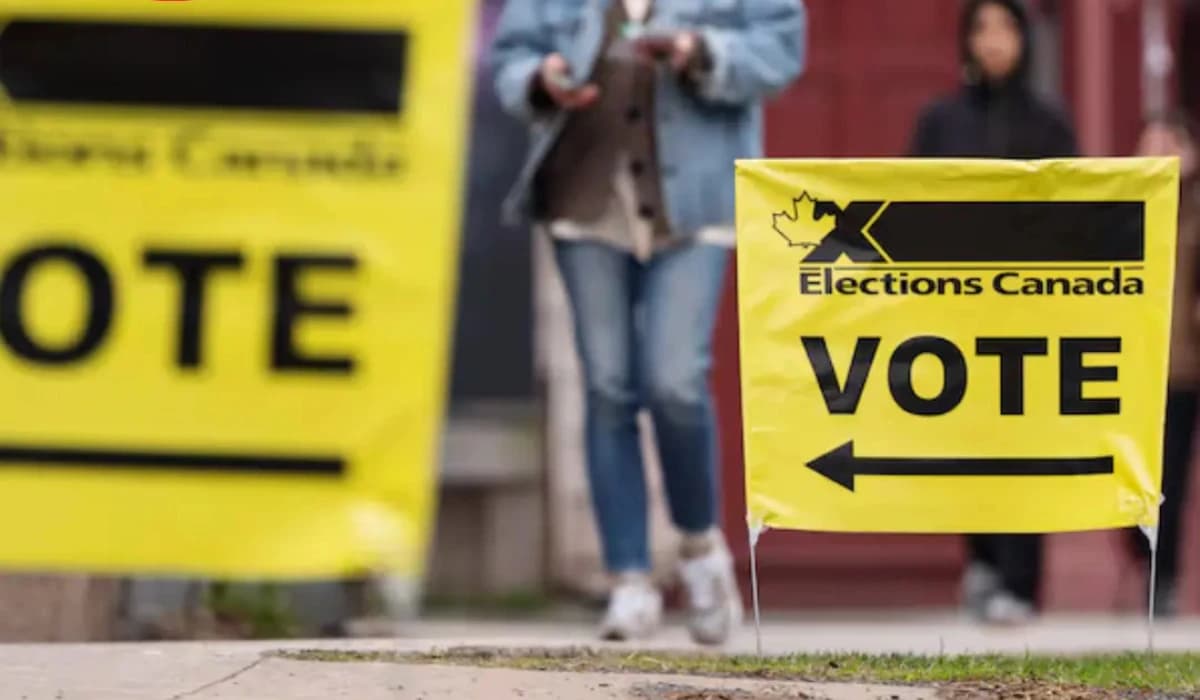
Canada is watching a closely contested political moment unfold as voters head to the polls in three federal byelections that could potentially reshape the balance of power in Ottawa. With results expected later tonight, the stakes are unusually high — not just for the ridings involved, but for the direction of the federal government itself.
At the center of attention is Prime Minister Mark Carney and his Liberal Party, which is reportedly within striking distance of a parliamentary majority. Political observers say the outcome of just one or two seats could determine whether the Liberals cross the threshold needed to govern without relying on opposition support.
Why These Byelections Matter
The three byelections, taking place across key ridings in Ontario and Quebec, are not routine political contests. Instead, they have become a national focal point due to their potential to shift the composition of the House of Commons.
The Liberals currently sit extremely close to majority status. That means:
- A single win in a competitive riding could tip the balance
- A loss could keep the government in minority territory
- Even small vote swings could have national consequences
Two of the ridings, located in the Toronto area, are generally viewed as strong Liberal territory. The third riding in Quebec is expected to be far more competitive and could ultimately decide whether a majority government becomes reality.
What a Majority Would Mean
If the Liberals secure the necessary seat count, the implications would be immediate and significant. A majority government would allow the party to:
- Pass legislation without needing support from opposition parties
- Advance policy priorities more efficiently
- Reduce the uncertainty often associated with minority governments
- Strengthen the Prime Minister’s mandate heading into the next election cycle
For supporters, it would represent political stability. For opponents, it could signal a major shift in the federal balance of power.
Political Context and Momentum
The Liberals’ current position is the result of a combination of factors, including shifting voter sentiment, recent parliamentary changes, and evolving national issues. Analysts have pointed to economic concerns, trade pressures, and governance stability as key themes influencing voter behavior.
In recent weeks, attention has also focused on political realignments within Parliament, adding further volatility to an already closely divided House of Commons.
What to Watch Tonight
As polls close, attention will turn to early results from Ontario, where outcomes are expected first. The Quebec riding may take longer to report and could ultimately determine the final outcome of the night.
Key questions include:
- Will the Liberals hold their expected seats in Toronto?
- Can the opposition hold ground in Quebec?
- Will turnout levels influence the final result?
A Defining Political Moment
While byelections are often low-profile events, tonight’s vote carries national significance. Depending on the results, Canada could either see continuity under a minority government or a rapid shift into a Liberal majority — a change that would immediately reshape how the country is governed.
Regardless of the outcome, tonight is expected to be a defining moment in Canadian federal politics, with long-term implications for policy, leadership, and the next general election cycle.