Winnipeg Rejects Designated Homeless Encampments as City Faces Growing Housing Crisis
City officials in Winnipeg have rejected the proposal for designated homeless encampments, choosing enforcement and outreach instead. The decision comes amid rising homelessness, sparking debate over whether current strategies are enough to address the crisis.
Rochelle Silver
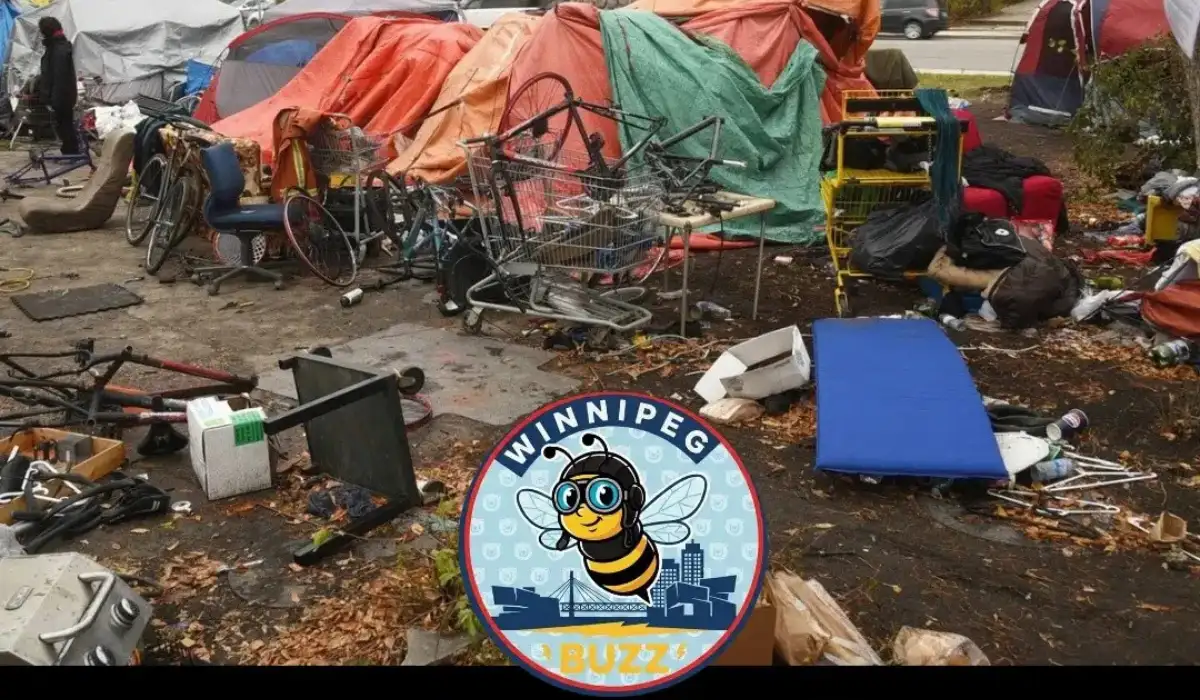
The City of Winnipeg has decided not to move forward with the idea of designated homeless encampment zones, opting instead to continue enforcing existing bylaws while focusing on outreach and housing support for unhoused residents.
The decision comes at a critical time, as Winnipeg continues to see a sharp rise in homelessness. Recent data suggests that more than 8,000 individuals in the city are currently without stable housing, highlighting the growing urgency of the issue.
City officials say that while the idea of designated encampments has been explored in other jurisdictions, it is not considered a sustainable or effective solution for Winnipeg. Concerns raised by staff include safety risks, the potential normalization of long-term encampments, and challenges in maintaining such sites.
Instead, the city is prioritizing a strategy built around enforcement, outreach, and housing placement. This includes increased inspections of encampments, particularly as warmer weather leads to a rise in outdoor sheltering. Camps located near schools, parks, and other public areas continue to be a major focus for enforcement.
At the same time, outreach teams are being deployed to connect unhoused individuals with available supports, including emergency shelters, transitional housing, and social services. Officials emphasize that the long-term goal is to move people into stable housing rather than allowing encampments to become permanent.
However, the decision has sparked debate among community advocates and residents. Critics argue that without sufficient housing capacity and support systems in place, simply removing encampments may displace vulnerable individuals without offering realistic alternatives.
Advocates have also pointed out that designated encampment areas, if properly managed, could provide safer and more stable conditions for those who have no immediate access to housing. They argue that such sites could serve as a temporary solution while broader housing strategies are developed.
Supporters of the city’s approach, on the other hand, say that maintaining public safety and accessibility is essential. They believe that allowing encampments to expand in public spaces could create additional risks for both residents and those living in the camps.
The situation reflects a broader challenge facing many Canadian cities, where rising housing costs, limited supply, and economic pressures have contributed to increasing levels of homelessness.
As Winnipeg moves forward, the focus remains on balancing enforcement with compassion — ensuring public spaces remain safe while working toward long-term housing solutions.
The conversation is far from over, and with numbers continuing to rise, pressure is mounting on all levels of government to deliver more comprehensive and lasting solutions to the homelessness crisis.