Winnipeg Gas Prices Surge Past 164.9¢/L — What It Means for Drivers and the Local Economy
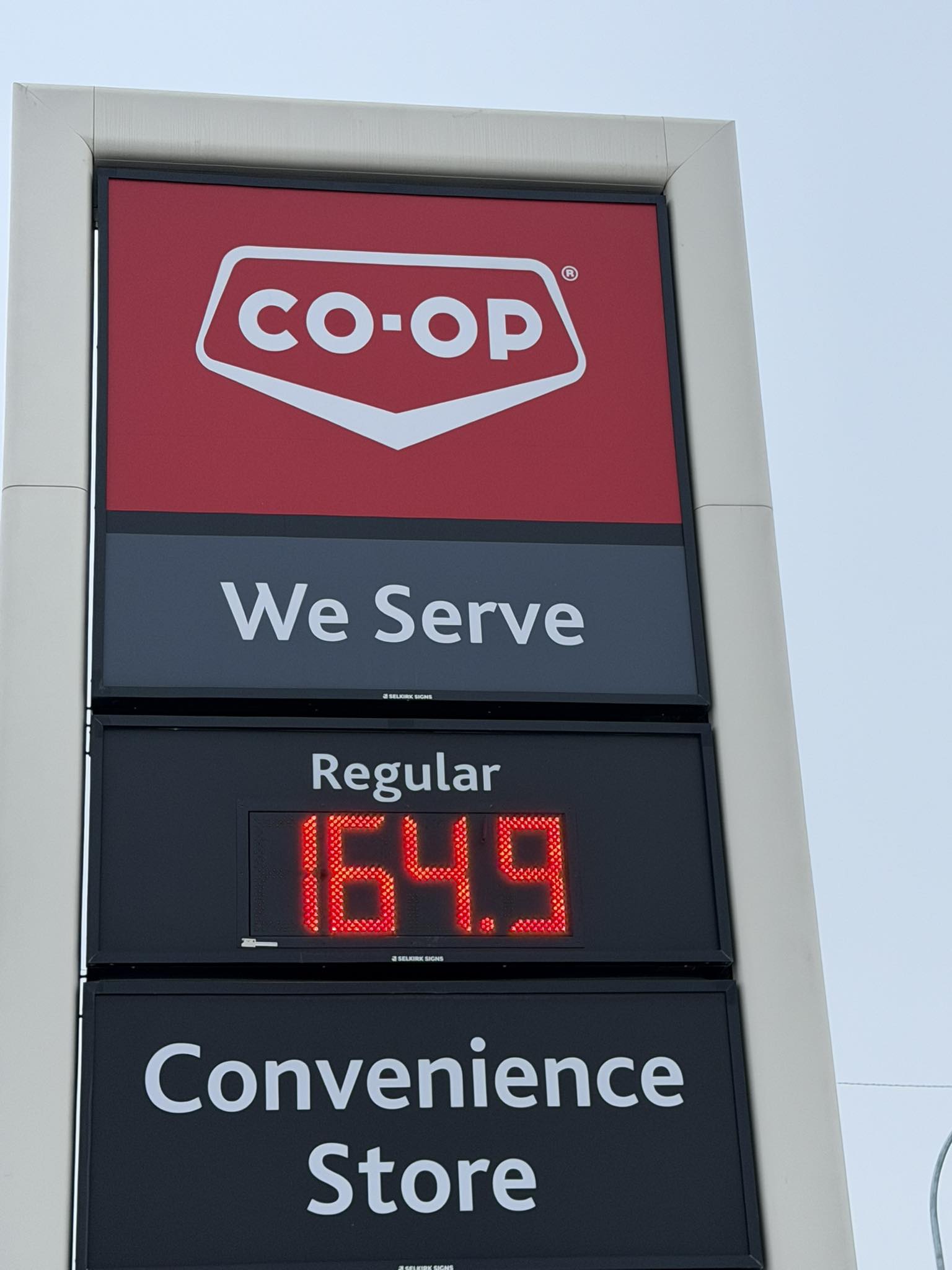
Gas prices in Winnipeg have jumped to 164.9¢/L or higher, putting added pressure on drivers, families, and local businesses. The increase is likely tied to global oil trends and supply factors, with rising fuel costs expected to impact everyday expenses across the city.
Rochelle Silver
Drivers across Winnipeg are once again feeling the squeeze as fuel prices climb sharply, with many gas stations now posting 164.9 cents per litre or higher. The sudden spike is catching attention across the city, especially as households and businesses continue to navigate rising living costs.
A Sudden Jump at the Pump
For many Winnipeggers, the increase seemed to happen overnight. Prices that were already considered high have now crossed another threshold, leaving drivers frustrated and questioning how much higher they could go.
Daily commuters, delivery drivers, and small business owners are among those hit hardest. For individuals who rely on their vehicles for work or long commutes, even a small increase per litre can quickly add up over the course of a week or month.
What’s Driving the Increase?
While gas prices can fluctuate for a variety of reasons, several key factors typically contribute to spikes like this:
-
Global oil market changes affecting supply and pricing
-
Seasonal demand shifts, especially as travel patterns change
-
Refinery and distribution costs
-
Currency fluctuations, particularly the Canadian dollar vs. U.S. dollar
Although the exact cause of this latest increase may involve a combination of these factors, the result is the same for consumers — higher costs at the pump.
Impact on Everyday Life
The ripple effect of rising gas prices extends far beyond the fuel tank. Higher transportation costs can influence everything from grocery prices to delivery fees and service costs.
For families already dealing with inflation, this adds another layer of financial pressure. Many are now reconsidering non-essential travel, consolidating errands, or even exploring alternative transportation options.
Businesses Feeling the Pressure
Local businesses in Winnipeg, especially those in logistics, construction, and food delivery, are also feeling the impact. Increased fuel costs often translate into higher operating expenses, which can eventually be passed on to customers.
This creates a cycle where both businesses and consumers are affected, further tightening spending across the local economy.
Will Prices Keep Rising?
That’s the big question on everyone’s mind. Fuel prices are known for their volatility, and while spikes can sometimes be temporary, there is always uncertainty about how long they will last.
Experts often point out that geopolitical developments, supply chain disruptions, and seasonal demand can all play a role in determining whether prices stabilize or continue climbing.
What Can Drivers Do?
While the situation may be out of individual control, some drivers are already adapting by:
-
Planning trips more efficiently
-
Reducing unnecessary driving
-
Monitoring prices across different stations
-
Considering fuel-efficient or alternative transportation options
Community Reaction
Across social media and local conversations, frustration is growing. Many residents are expressing concern about affordability and questioning whether enough is being done to stabilize fuel costs.
As gas prices continue to climb in Winnipeg, one thing is clear — the impact is being felt citywide. Whether it’s daily commuters or local businesses, the rising cost of fuel is becoming an issue that affects nearly everyone.
For now, drivers are left watching the numbers at the pump — and hoping for some relief in the days ahead.