
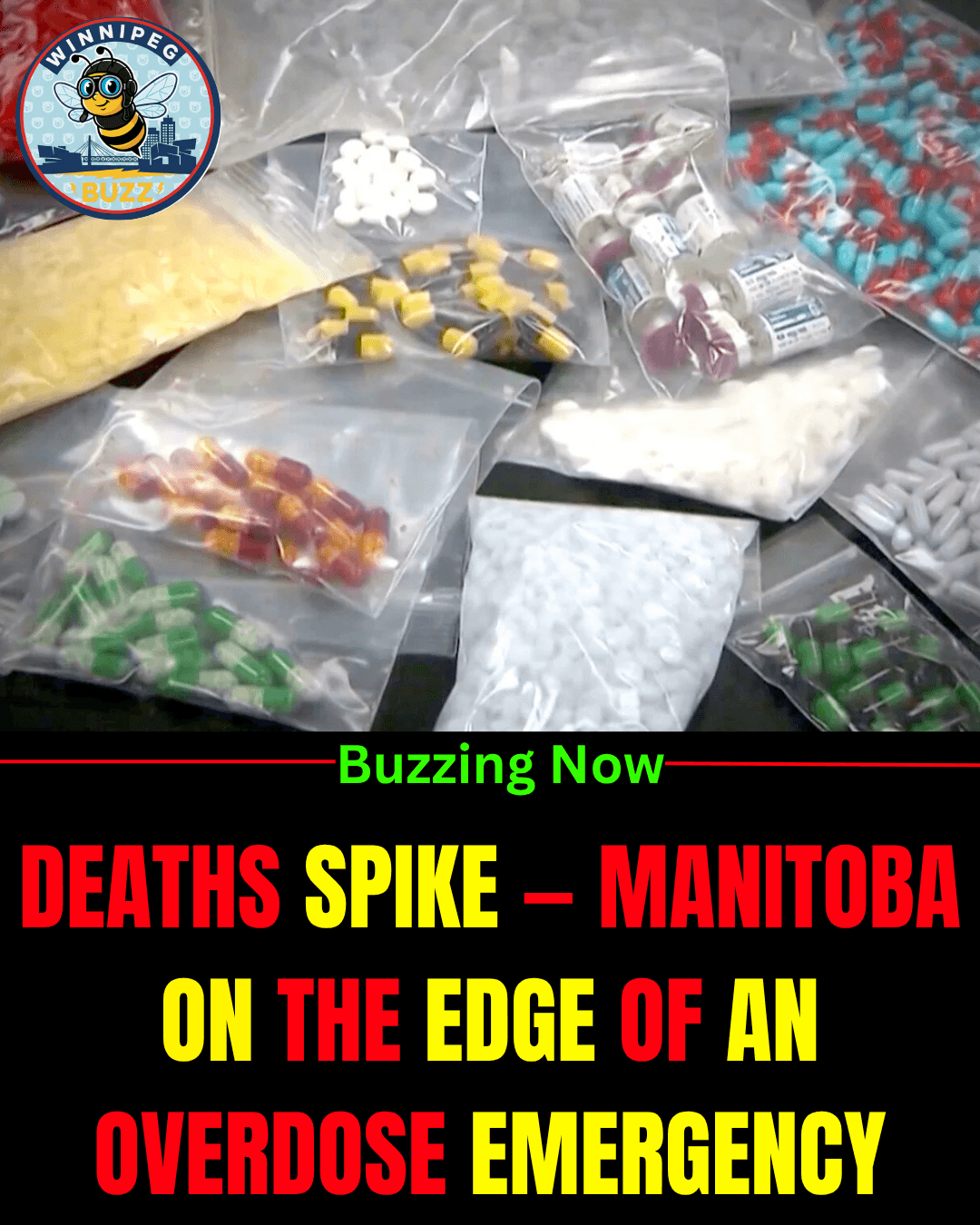
Manitoba Overdose Crisis Deepens as Advocates Warn ‘We’ve Reached a State of Emergency’
A sharp rise in overdose deaths across Manitoba has prompted urgent warnings from frontline workers and advocates, who say the province is facing a public health emergency. With a toxic drug supply worsening the crisis, calls are growing for immediate government action to prevent further loss of life.
Rochelle Silver
Manitoba is facing renewed concern over a growing overdose crisis, with frontline workers, outreach teams, and community advocates warning that the situation has reached a critical point. Following a recent spike in overdose incidents and deaths, many are now urging the province to declare a public health emergency to address what they describe as an escalating and deadly trend.
In recent weeks, outreach organizations have reported a noticeable increase in both fatal and non-fatal overdoses across the province, particularly in Winnipeg. While exact numbers continue to be updated, some groups say the number of deaths recorded over short periods has been significantly higher than usual, raising alarm among those working closest to the crisis.
At the center of the issue is what experts describe as an increasingly toxic and unpredictable drug supply. Substances circulating on the street are often mixed with powerful synthetic opioids and other contaminants, making them far more dangerous than in previous years. In some cases, these drugs can lead to overdoses that are harder to reverse, even with the use of naloxone — a medication commonly used to counter opioid overdoses.
Frontline workers say the changing nature of the drug supply is creating new challenges. Overdoses are not only becoming more frequent, but also more complex to respond to. Some incidents require multiple doses of naloxone, while others involve substances that do not respond as expected to traditional interventions.
Emergency responders and community outreach teams are feeling the strain. Many report being overwhelmed by the increasing number of calls and the intensity of the situations they are facing. At the same time, organizations providing harm reduction services say they are operating with limited resources, making it difficult to keep up with the growing demand.
Advocates argue that the current response is not enough to address the scale of the crisis. They are calling on the provincial government to formally declare a public health emergency, a move they say could unlock additional funding, expand harm reduction programs, and accelerate the implementation of life-saving measures.
Among the solutions being discussed are increased access to supervised consumption services, expanded distribution of naloxone kits, and broader public education campaigns aimed at reducing stigma and encouraging people to seek help. Supporters say these measures have proven effective in other regions and could help prevent further deaths in Manitoba.
As Manitoba confronts this latest surge, the conversation is shifting toward what more can be done — and how quickly action needs to be taken. For advocates, the message is simple: without stronger and more immediate intervention, the situation could worsen, leading to even more preventable deaths.
The coming weeks will be critical in determining how the province responds to the growing crisis. For now, those on the front lines continue their work, hoping that increased awareness and decisive action will help turn the tide.