Manitoba Drug Traffickers Used Mail Shipments and Storefront Front to Move Cocaine Across Canada: Inside Project Puma
Project Puma uncovered a massive interprovincial drug network that allegedly used mail services, transport trucks, and a storefront business to traffic cocaine into Manitoba.
Rochelle Silver
Manitoba Drug Traffickers Allegedly Used Mail Services and Storefront Business to Move Cocaine Across Canada
New court and police details are shedding light on how an alleged organized crime network managed to move massive quantities of cocaine and other dangerous drugs into Manitoba through an operation investigators describe as one of the most sophisticated trafficking systems ever uncovered in the province.
The investigation, known as Project Puma, became Manitoba’s largest-ever illicit drug seizure and exposed an alleged interprovincial trafficking network with connections stretching across Canada and into the United States. Authorities say the operation involved organized crime groups, including alleged ties to the Hells Angels, the Wolfpack Alliance, and Mexican cartels.
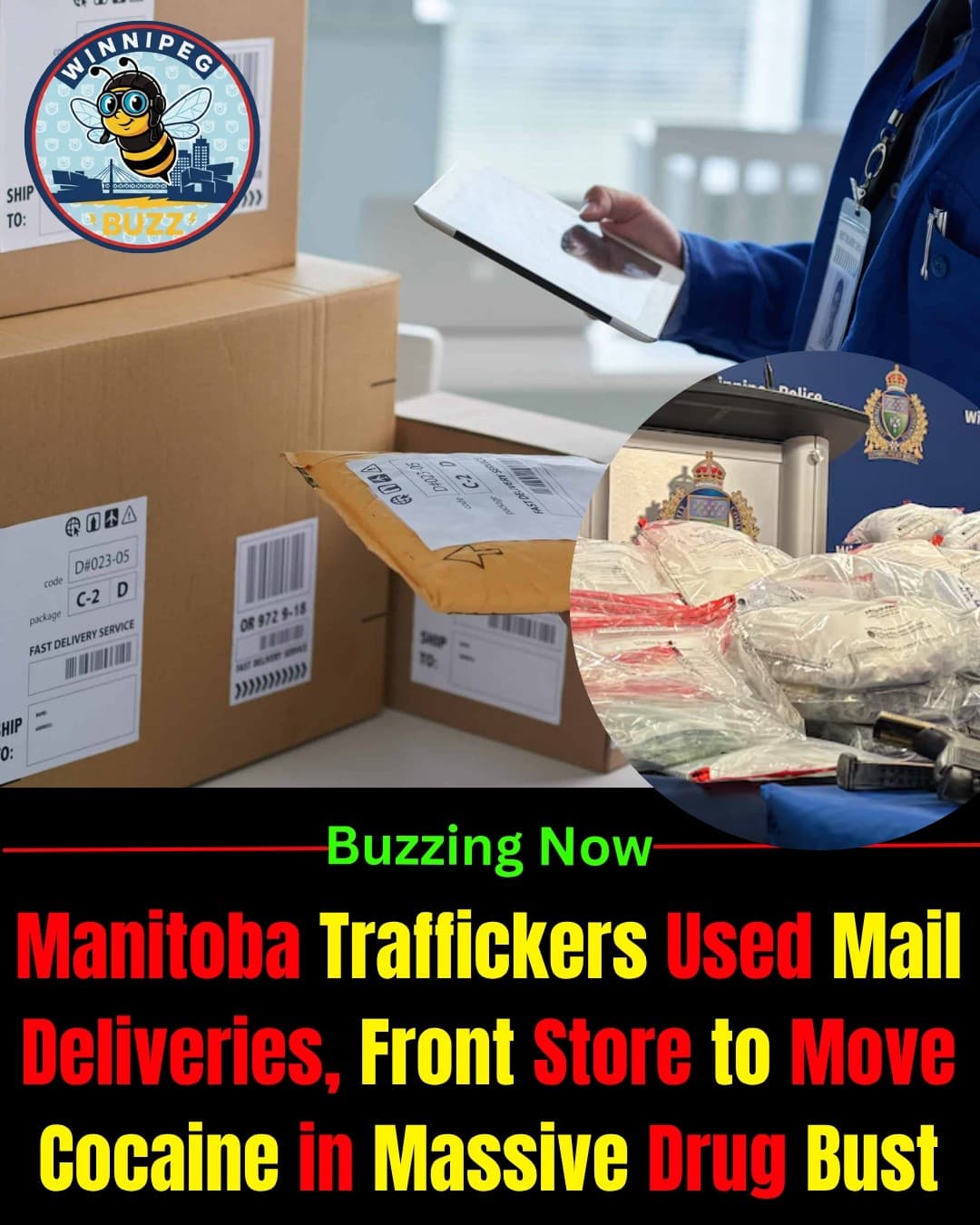
Police allege traffickers used multiple methods to transport drugs, including commercial transport trucks, hidden vehicle compartments, courier companies, and even Canada’s mail system. Investigators also revealed that a local storefront business was allegedly used as a front to help disguise criminal activity while drugs and money flowed through the operation.
The nearly two-year investigation involved law enforcement agencies from Manitoba, Alberta, Ontario, and federal policing units working together to dismantle what officials called a highly organized and structured criminal enterprise.
How the Drugs Allegedly Entered Manitoba
According to investigators, cocaine shipments were first smuggled into Canada from the United States using commercial transportation routes. Police believe the drugs were then temporarily stored in provinces such as Alberta and Ontario before being redistributed into Manitoba.
Authorities allege traffickers used courier services and mailed packages to transport drugs between provinces in an effort to avoid detection. Hidden compartments inside vehicles and commercial transport vehicles were also reportedly used to move narcotics and cash throughout the network.
Investigators say the organization operated in separate trafficking “cells,” allowing members to handle transportation, storage, street-level distribution, and money movement independently while still remaining connected to the larger network.
Police allege this layered structure made the operation difficult to detect and allowed members to continue trafficking even if one part of the network was disrupted.
Storefront Business Allegedly Used as Front Operation
One of the more shocking details to emerge from the investigation was the alleged use of a retail storefront business as part of the trafficking operation.
Authorities believe the business helped conceal organized criminal activity by presenting a legitimate public-facing operation while drugs and proceeds moved behind the scenes. Investigators have not publicly released every operational detail, but police say front businesses are commonly used by organized crime groups to hide illicit profits, facilitate meetings, and create the appearance of lawful activity.
Law enforcement officials described the organization as financially sophisticated and deeply connected to larger criminal networks operating across Canada.
Massive Quantities of Drugs Seized
Police seized more than $37 million worth of illicit drugs and contraband during the investigation, making it the largest drug seizure in Manitoba history.
Items seized include:
- Approximately 175 kilograms of cocaine
- Around 339 kilograms of methamphetamine
- More than 11 kilograms of fentanyl
- Illegal firearms and ammunition
- Vehicles allegedly linked to trafficking operations
- Large amounts of cash
- Contraband tobacco products
Investigators say the quantity of fentanyl seized alone had the potential to cause devastating harm in communities across Manitoba and beyond.
33 Arrested Across Multiple Provinces
Authorities arrested 33 individuals in Manitoba, Alberta, and Ontario as part of the sweeping operation. More than 170 criminal charges were laid, including allegations connected to drug trafficking, organized crime participation, firearm offences, and possession of proceeds obtained through crime.
Some accused individuals have already entered guilty pleas and received prison sentences ranging from several years to more than a decade behind bars.
Police say the investigation remains significant not only because of the record-breaking seizure totals, but because it revealed how organized criminal groups continue adapting their methods to avoid detection while moving drugs across Canada.
Police Warn Organized Crime Networks Are Evolving
Investigators involved in Project Puma say organized crime operations are becoming increasingly advanced, relying on technology, transportation infrastructure, legitimate businesses, and national shipping systems to move drugs and money efficiently.
Authorities also warned that drug trafficking networks tied to fentanyl and methamphetamine continue fueling addiction crises and violent crime in communities across the country.
Police say disrupting networks of this scale requires long-term investigations, surveillance, interprovincial cooperation, and intelligence-sharing between agencies.
As court proceedings continue, more information about the structure and inner workings of the trafficking network is expected to emerge.