Donald Trump Sparks Global Backlash After Telling UK and France to “Get Your Own Oil” Amid Iran Crisis
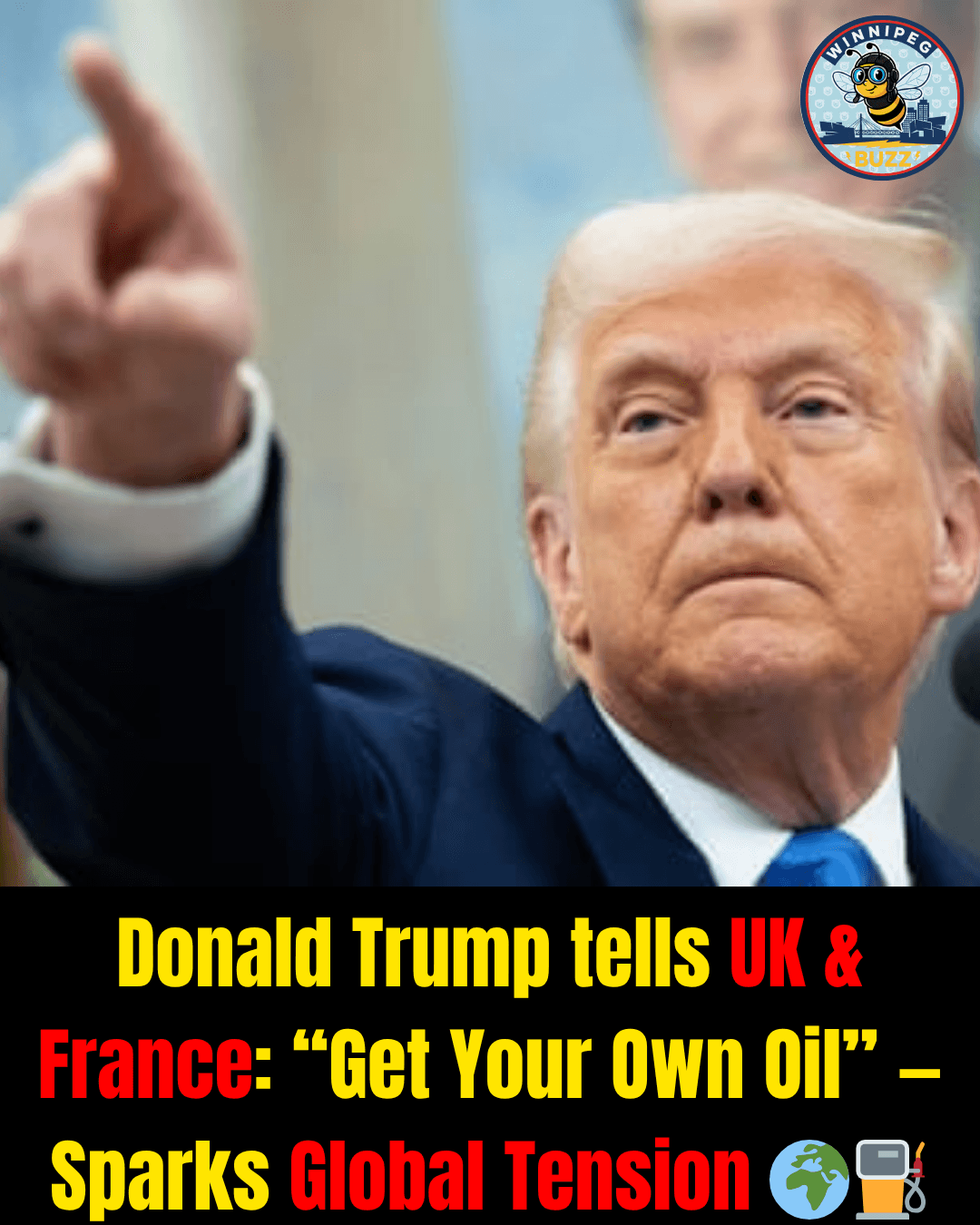
Former U.S. President Donald Trump has ignited international controversy after criticizing the United Kingdom and France as “unhelpful” during escalating tensions with Iran, urging allies to secure their own oil as global energy markets face uncertainty.
Rochelle Silver
Global tensions have intensified following controversial remarks by former U.S. President Donald Trump, who publicly criticized key Western allies, including the United Kingdom and France, amid the escalating crisis involving Iran and global oil supply routes.
In a series of strongly worded posts, Trump labeled both nations as “unhelpful,” expressing frustration over their reluctance to fully support U.S.-aligned actions in the Middle East. His comments come at a time when geopolitical tensions are already running high, particularly around the strategically vital Strait of Hormuz — a narrow passage responsible for a significant portion of the world’s oil transportation.
The former president did not hold back, suggesting that countries facing fuel shortages should either purchase oil directly from the United States or take matters into their own hands. His remark urging nations to go to the Strait of Hormuz and “take it” has drawn widespread attention and criticism from international observers and political analysts alike.
The situation in the region has become increasingly volatile, with disruptions linked to Iran affecting global oil shipments. As a result, energy markets have reacted sharply, with rising oil prices and growing concerns over long-term supply stability. For countries like the United Kingdom and France, which rely heavily on imported energy, the stakes are particularly high.
Trump’s statements also carried a broader geopolitical message. He warned that continued lack of support from allies could lead to a shift in U.S. foreign policy, suggesting that America may reduce its role in defending or assisting nations that do not align with its strategies. This has sparked concern among international leaders about the future of long-standing alliances and cooperation frameworks.
Critics argue that such rhetoric risks deepening divisions among Western allies at a time when unity is crucial. Supporters, however, view his stance as a call for greater self-reliance among nations and a pushback against what they perceive as unequal burden-sharing in global conflicts.
Meanwhile, diplomatic efforts continue behind the scenes as world leaders attempt to stabilize the situation and prevent further escalation. The developments have placed a spotlight on the fragile balance of global energy dependence and geopolitical alliances.
As the crisis unfolds, the world watches closely — not only for potential impacts on oil prices and economic stability but also for what this could mean for the future of international relations.