Kinew’s ‘Most Important Ever’ Claim on Gas Tax Holiday Sparks Province-Wide Debate
Premier Wab Kinew’s claim that the 2024 gas tax holiday was Manitoba’s most important move is drawing both praise and sharp criticism.
Rochelle Silver
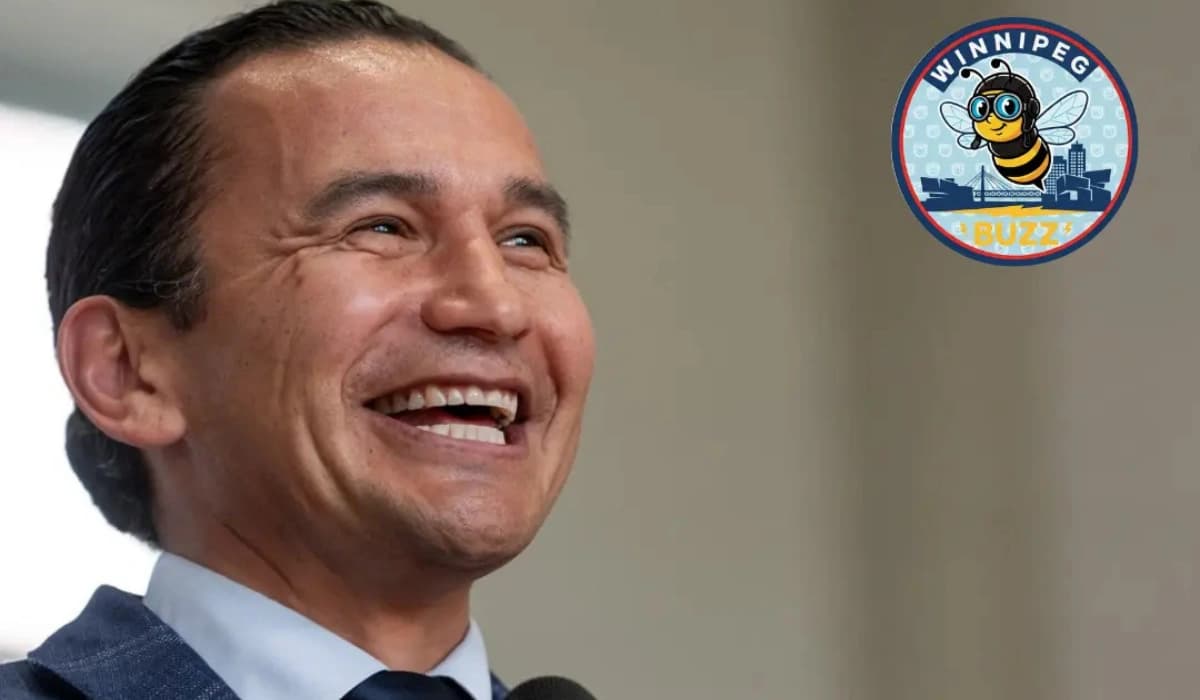
Manitoba Premier Wab Kinew is at the center of a growing and public debate after describing the province’s 2024 gas tax holiday as “the most important thing” any Manitoba government has ever done.
The comment, which quickly gained attention across the province, has sparked strong reactions from both supporters and critics, turning what was once a widely welcomed affordability measure into a broader conversation about government priorities, economic impact, and political messaging.
⛽ The Gas Tax Holiday Explained
In 2024, the Manitoba government temporarily eliminated the provincial fuel tax, cutting approximately 14 cents per litre from gasoline prices. The move was introduced as part of a broader effort to ease the financial burden on residents facing rising living costs, including inflation and higher transportation expenses.
For many Manitobans, the savings were immediate and noticeable. Lower fuel prices helped commuters, families, and businesses offset daily expenses during a period of economic pressure. Manitoba also saw some of the lowest gas prices in Canada during that time, adding to the perception that the policy delivered real, tangible relief.
However, the tax break came at a significant cost to provincial revenues, estimated in the hundreds of millions of dollars. That trade-off is now at the heart of the ongoing debate.
⚖️ Supporters: “Real Relief When It Mattered”
Supporters of the policy argue that the gas tax holiday was one of the most direct and effective ways to help Manitobans during a time of need. By lowering fuel prices across the board, the government provided immediate financial relief without requiring applications, eligibility checks, or delays.
Many believe the measure demonstrated a willingness to act quickly and decisively, putting money back into the pockets of everyday residents. For working families and those reliant on vehicles for commuting or business, the savings added up over time.
From this perspective, Kinew’s statement reflects the scale of the policy’s reach and its impact on affordability.
⚠️ Critics: “Overstated and Costly”
Critics, however, argue that calling the gas tax holiday the most important decision in Manitoba’s history is an exaggeration that overlooks more significant achievements in healthcare, education, infrastructure, and social development.
They also question whether the benefits were distributed fairly. Since fuel consumption varies widely, those who drive more — including higher-income individuals and businesses — may have received a larger share of the savings. Meanwhile, residents without vehicles saw little to no direct benefit.
Another key concern is the loss of government revenue. Opponents argue that the hundreds of millions spent on the tax break could have been invested in long-term improvements, such as reducing healthcare wait times, hiring more frontline workers, or upgrading critical infrastructure.
💬 A Broader Political Debate
Kinew’s remarks have now elevated the discussion beyond the policy itself, raising questions about how governments define “importance” and measure success.
Some advocacy groups have gone further, suggesting that if the gas tax holiday was truly as impactful as described, the government should consider making the tax cut permanent. Others caution that doing so could create long-term fiscal challenges and limit the province’s ability to fund essential services.
The debate also reflects a broader divide in public opinion: whether short-term affordability measures should take priority over long-term investments, especially in a time of economic uncertainty.
🧠 The Bottom Line
The 2024 gas tax holiday remains one of the most visible and widely felt policies introduced by the current Manitoba government. But Premier Kinew’s characterization of it as the most important decision ever has clearly struck a nerve.
For some, it represents meaningful leadership during a difficult time. For others, it highlights concerns about priorities and the long-term impact of costly tax cuts.
As Manitobans continue to weigh in, one thing is certain — the conversation is no longer just about gas prices, but about what truly matters most in shaping the province’s future.