No Charges for Winnipeg Police Officer After Fatal High‑Speed Chase Shooting
Manitoba prosecutors have declined to charge a Winnipeg police officer in a fatal shooting during a 2024 high‑speed pursuit. The IIU investigation and public safety concerns are detailed in this report.
Rochelle Silver
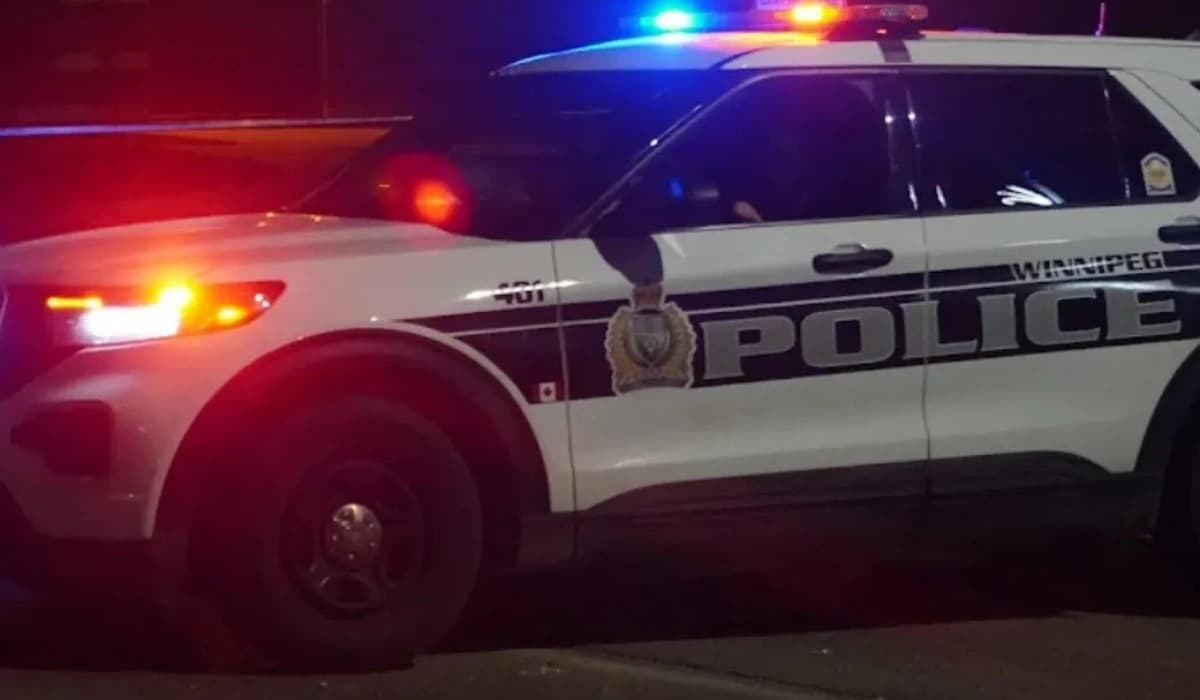
WINNIPEG — Manitoba’s Independent Investigation Unit (IIU) has confirmed that no criminal charges will be laid against a Winnipeg Police Service (WPS) officer involved in a fatal shooting following a lengthy high‑speed chase in 2024.
The decision, released March 30, 2026, comes after months of careful review into the circumstances surrounding the June 5, 2024 incident, which ended with the death of a passenger in a stolen vehicle.
What Happened
In the early morning hours of June 5, 2024, WPS officers were involved in a pursuit of a stolen pickup truck that had been seen driving erratically and dangerously. The chase extended outside the city limits of Winnipeg, with police attempting to halt the vehicle for public safety reasons.
At some point during the pursuit, officers discharged their firearms. The passenger in the stolen truck was fatally struck; the driver was taken into custody and later faced separate criminal charges relating to the vehicle theft and other alleged offences.
The shooting triggered an automatic IIU investigation, as is standard in Manitoba when police discharge firearms and a person is seriously injured or killed.
IIU Investigation and Review
The IIU — an independent civilian agency mandated to investigate serious incidents involving police — conducted a comprehensive review of the evidence, including witness statements, video footage, and forensic analysis.
After completing its investigation, the IIU submitted its findings to Manitoba prosecutors for legal assessment. Prosecutors then evaluated whether there was a reasonable likelihood of conviction and whether it would be in the public interest to pursue charges under the Criminal Code of Canada.
On March 30, 2026, the prosecution announced that neither the officer who fired the fatal shots nor the second officer involved would face criminal charges. According to the prosecution’s statement, the available evidence did not meet the legal threshold required to proceed with a criminal case.
Public Safety and Accountability Discussions
The decision has sparked conversations across Winnipeg and Manitoba about police use of force, public safety, and transparency in police oversight. Supporters of the officers argue that they acted appropriately in a rapidly evolving and dangerous situation, emphasizing that officers must make split‑second decisions to protect themselves and the public.
Critics, however, have called for continued review of policies governing high‑speed pursuits and the use of lethal force. Some community advocates have urged the government and police services to increase training, improve de‑escalation protocols, and expand mental health crisis intervention measures.
Legal and Procedural Context
Under Manitoba’s policing oversight framework, the IIU — not the police service under investigation — is responsible for fact‑gathering in cases involving serious injury or death. Once the IIU completes its file, provincial prosecutors assess it independently to decide whether charges are warranted. This two‑step process is designed to maintain public confidence and impartiality in the investigation of police‑related deaths.
While no charges have been approved in this case, the IIU’s report and legal rationale may be released publicly in the coming weeks to provide further transparency.
Looking Ahead
The Winnipeg Police Service has stated it will continue cooperating fully with any further reviews and remains committed to public safety and accountability. Community leaders have signaled plans to host discussions and forums to engage residents on policing practices, including how to balance enforcement with safeguarding lives.
As the conversation continues, many residents are watching closely — seeking clarity on how law enforcement decisions are made and how the community can work together to build trust and safety for all.