Manitoba Budget Targets Affordability with Grocery Tax Relief, Housing Support, and Major Healthcare Investment
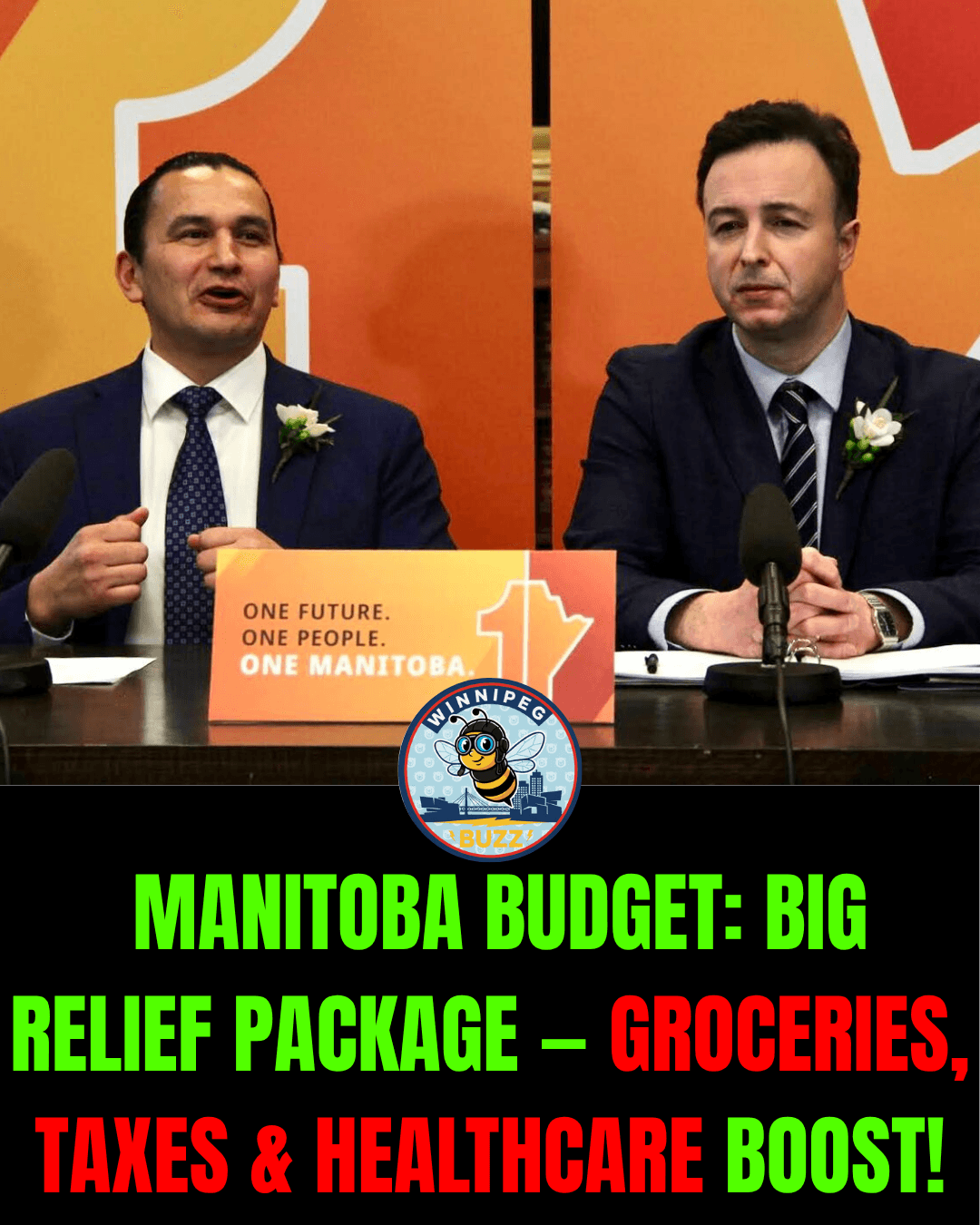
Manitoba’s new budget focuses on affordability and healthcare, including PST removal on groceries, increased housing tax credits, and a $22.1M cardiac care clinic at St. Boniface Hospital.
Rochelle Silver
The Manitoba government’s latest budget is placing a strong focus on affordability measures while also committing significant funding to healthcare infrastructure, as residents continue to feel the pressure of rising living costs.
One of the most talked-about changes is the province’s plan to remove the provincial sales tax (PST) from grocery items. The move is intended to provide immediate relief at the checkout counter, where food prices have remained high over the past year. By eliminating PST on essential grocery purchases, the government says it hopes to ease weekly expenses for families and individuals struggling with inflation.
Alongside grocery tax relief, the budget also increases support for both homeowners and renters. The Homeowners Affordability Tax Credit has been enhanced to help offset rising property taxes, while renters will see improved tax credits designed to reduce the burden of monthly rent payments. These measures are aimed at delivering targeted relief to households most affected by ongoing affordability challenges, particularly in urban centres like Winnipeg where housing costs have steadily climbed.
Seniors and lower-income Manitobans are also expected to benefit from expanded credit programs, which continue to be a key part of the province’s affordability strategy. Rather than broad tax cuts, the government is focusing on direct credits and rebates intended to provide more immediate financial relief.
Healthcare spending is another major pillar of the budget. A significant highlight is the $22.1 million investment into a new cardiac care clinic at St. Boniface Hospital in Winnipeg. The project will include 18 additional inpatient beds and place a dedicated cardiologist within the emergency department. Officials say this will help improve response times for heart-related emergencies and reduce pressure on hospital staff and emergency rooms.
The investment is part of a broader effort to strengthen healthcare capacity across the province, where hospitals have faced ongoing challenges including staffing shortages, long wait times, and increasing patient demand.
Government officials describe the overall budget approach as a balance between affordability and essential service delivery. By combining grocery tax relief, housing support, and healthcare expansion, the province says it is addressing both immediate cost-of-living concerns and longer-term system pressures.
However, public reaction is expected to vary. While some Manitobans may welcome the targeted relief measures, others may question whether the changes go far enough to match the rising cost of living. With inflation still affecting food, rent, and utilities, many households continue to look for more substantial and lasting affordability solutions.
As the budget rolls out, attention will turn to how quickly these measures take effect and whether they translate into noticeable savings for everyday Manitobans.