Manitoba Turns to U.S. Firm to Recruit Emergency Doctors Amid Ongoing Healthcare Shortage
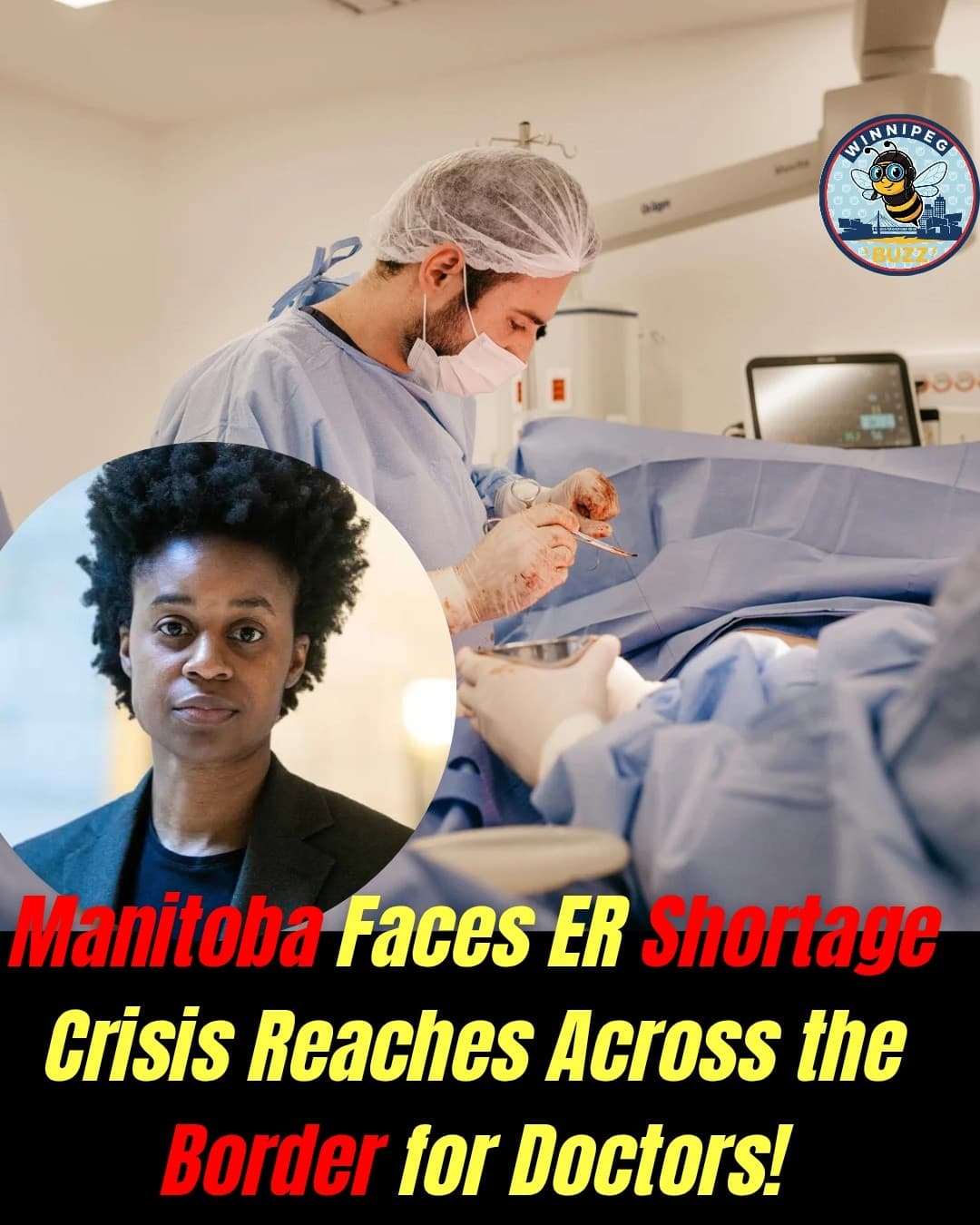
Manitoba hires a U.S. recruitment firm to address emergency room doctor shortages, aiming to improve care in rural and northern communities.
Rochelle Silver
Manitoba is taking a bold step to address ongoing healthcare challenges by partnering with a United States–based recruitment firm to bring more emergency room doctors into the province. The move comes as hospitals, particularly in rural and northern regions, continue to face staffing shortages and increasing pressure on emergency services.
The provincial health authority, Shared Health, signed a one-year agreement in March 2026 with a Utah-based medical recruitment agency to help identify and attract qualified emergency physicians. The firm has already begun advertising several locum positions—temporary placements that typically range from six to twelve months—targeting American doctors who may be interested in working in Canada.
According to Health Minister Uzoma Asagwara, the cost of hiring the external firm is considered “minimal,” though specific financial details have not been publicly disclosed. The government maintains that the potential benefits—improved patient care, reduced wait times, and better staffing stability—far outweigh the expense.
This initiative is part of a broader effort by Manitoba to strengthen its healthcare workforce. Emergency departments across the province have been under strain, with some communities experiencing reduced hours or temporary closures due to a lack of available physicians. Rural and northern areas have been hit particularly hard, where recruiting and retaining healthcare professionals has long been a challenge.
By looking beyond Canada’s borders, officials hope to tap into a larger pool of trained professionals. While the immediate focus is on filling short-term gaps through locum roles, there is also optimism that some recruits may choose to stay permanently, helping to create more sustainable staffing levels over time.
The recruitment campaign highlights not only job opportunities but also the lifestyle benefits of living and working in Manitoba, including its natural landscapes and tight-knit communities. The strategy aims to appeal to physicians who may be seeking new experiences or a change in pace from larger urban centers in the United States.
However, the move has sparked discussion about long-term solutions to Canada’s healthcare staffing issues. Critics argue that while international recruitment can provide temporary relief, more needs to be done to train, support, and retain healthcare workers domestically. Supporters, on the other hand, see it as a necessary and practical step to ensure patients continue to receive timely care during a period of high demand.
As Manitoba continues to navigate its healthcare challenges, the success of this cross-border recruitment effort will likely be closely watched. For now, the province is focused on stabilizing its emergency services and ensuring that Manitobans—regardless of where they live—have access to the care they need when they need it most.