“5 Deaths Linked to Health-Care Delays in Manitoba — Critical Report Sparks Urgent Concerns”
Five deaths in Manitoba have been linked to delays in medical care, according to new critical incident reports, raising serious concerns about patient safety and hospital wait times.
Rochelle Silver
A troubling new report out of Manitoba is raising serious concerns about the state of the province’s health-care system after five deaths were linked to delays in medical treatment.
The findings come from the latest series of critical incident reports, which are conducted when a patient experiences serious harm or death connected to the care they received. While these reviews are not intended to assign blame, they are meant to uncover what went wrong — and how similar tragedies can be prevented in the future.
In these most recent cases, delays in diagnosis, treatment, or access to care were identified as contributing factors. Though each situation is different, the pattern is deeply concerning: patients who needed urgent attention did not receive it in time.
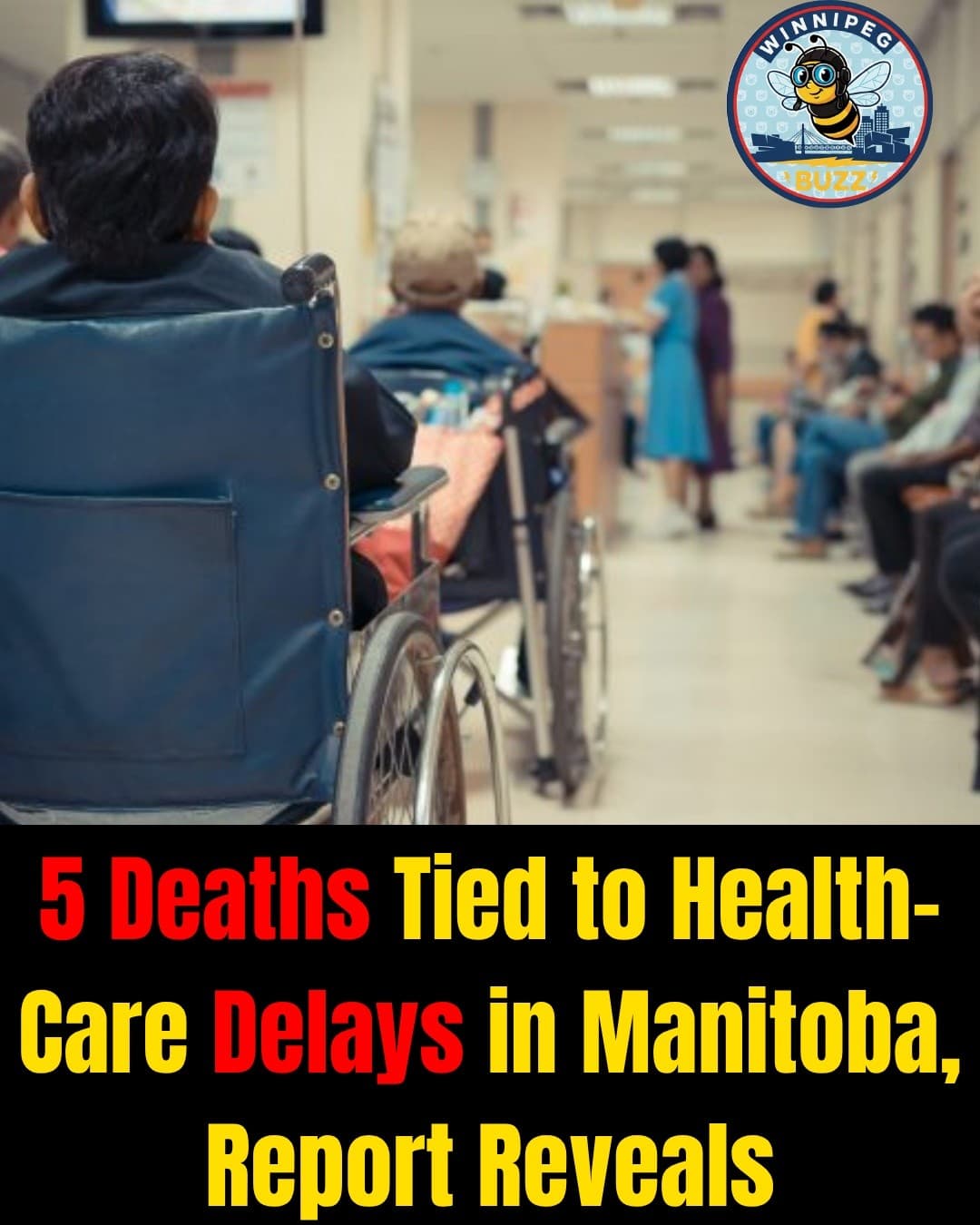
Across Winnipeg and other parts of the province, front-line health-care workers have been sounding the alarm for months. Emergency departments continue to face long wait times, staffing shortages, and increasing patient volumes. In some cases, patients are waiting hours — sometimes more than half a day — before being seen by a physician.
These delays can have devastating consequences, particularly for individuals with rapidly worsening conditions. Medical experts have long emphasized that early intervention can be the difference between life and death, making timely care critical.
Families affected by these incidents are now left searching for answers. For them, these reports are more than statistics — they represent loved ones whose outcomes may have been different under better circumstances.
Health officials say the purpose of releasing critical incident reports is to improve transparency and strengthen patient safety. Recommendations often include improving communication between medical teams, better monitoring of patients, and identifying gaps in staffing or resources.
However, critics argue that reports alone are not enough.
There is growing pressure on the provincial government to take stronger action to address systemic issues, including investing in more health-care workers, reducing emergency room wait times, and ensuring that hospitals are better equipped to respond to high demand.
The situation has also reignited a broader conversation about the long-term sustainability of Manitoba’s health-care system. With an aging population and increasing demand for services, many believe urgent reforms are needed to prevent further tragedies.
While investigations into these five deaths continue, the message from both the public and health-care professionals is clear: delays in care are not just an inconvenience — they can be deadly.